Local Culture of the Region of Murcia
Life in the Region of Murcia is deeply shaped by its Mediterranean climate, its long history and the open character of its people. Murcians are southern Spaniards in the fullest sense: outgoing, sociable and strongly connected to life in the street, public squares and open-air spaces. Daily life often unfolds outdoors, around cafés, markets, fiestas and shared meals, reinforcing a strong sense of community.
Local culture in Murcia is not confined to museums or formal institutions. It is lived through language, food, music, craftsmanship, festivals and everyday social interaction. Understanding this popular culture is essential to truly experiencing the region.
Murcian Speech and Language
Murcian speech forms part of the southern varieties of Spanish, sharing features with Andalusian and southeastern dialects. It is characterised by a relaxed pronunciation, the softening or loss of certain consonants, and a rich local vocabulary shaped by rural life and agriculture.
One of its most distinctive elements is panocho, the traditional speech of the Huerta of Murcia. Closely linked to farming communities, panocho preserved archaic words, expressions and phonetic traits that reflected centuries of irrigation-based life. Today, panocho is largely disappearing, surviving mainly in literature, popular poetry and cultural initiatives aimed at preserving this linguistic heritage.

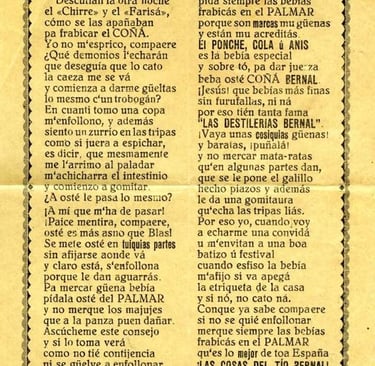
A pamphlet from around 1950 advertising "Destilerías Bernal" written in Panocho, the traditional language of the Murcia region, now obsolete. General Archive of the Region of Murcia.
Gastronomy is one of the clearest expressions of Murcian culture and identity. Rooted in the Mediterranean diet, local cuisine reflects centuries of agricultural tradition, fishing practices and cultural influences, from Roman and Islamic heritage to rural Christian customs. Fresh vegetables from the Huerta, rice, olive oil, pulses, pork and fish form the basis of a cuisine that is simple, seasonal and deeply connected to the land.
Iconic dishes such as caldero, zarangollo, michirones or the famous pastel de carne reveal the diversity of flavours found between the coast and the inland mountains. Exploring Murcian gastronomy is an essential way to understand everyday life in the region and is best discovered through local markets, traditional bars and family-run restaurants.
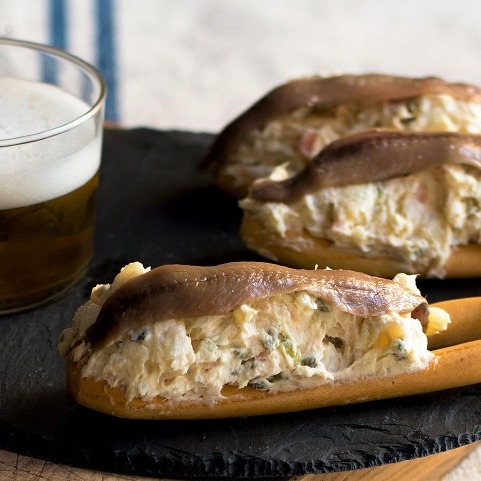
The "marinera" is a tapa consisting of Russian salad on a crispy, salted doughnut, topped with an anchovy. It's the most popular tapa in the Region of Murcia.
Traditional crafts in the Region of Murcia are a living expression of its history, landscape and rural heritage. Closely linked to agriculture, religion and everyday life, Murcian craftsmanship reflects centuries of knowledge passed down through generations. Materials such as clay, esparto grass, silk and textiles have been shaped into functional and artistic objects that remain part of the region’s cultural identity. Today, these crafts are preserved and promoted through workshops, local artisans and cultural institutions, offering visitors a unique insight into Murcia’s creative traditions.
Pottery and ceramics: Especially present in Totana and surrounding areas, known for functional and decorative pieces.
Nativity scenes (belenes): Murcia has a long tradition of handcrafted nativity figures, with detailed and expressive styles. Very close to Murcia, the village of Puente Tocinos is known as the "cuna del belén" -birthplace of the nativity scene- due to the abundance of artisan workshops dedicated to its manufacture.
Embroidery: Particularly linked to religious garments and festive costumes. The embroidery workshops of Lorca are famous throughout the country for the extraordinary quality of their creations.
Esparto grass work: One of the most traditional crafts, especially in rural and semi-arid areas, used to create baskets, ropes and footwear.
Silk: Historically important in Murcia city, connected to the Huerta and traditional clothing.
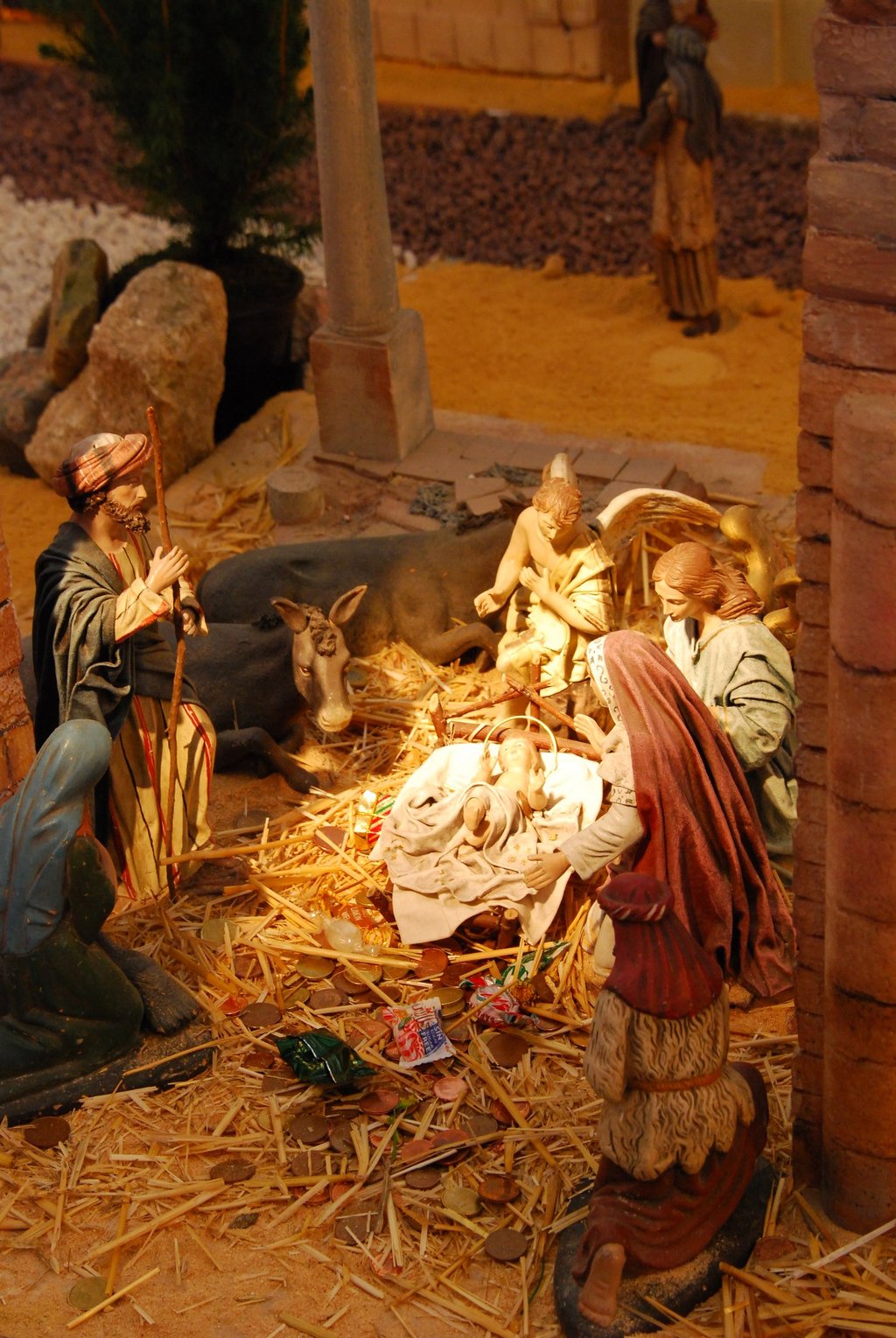
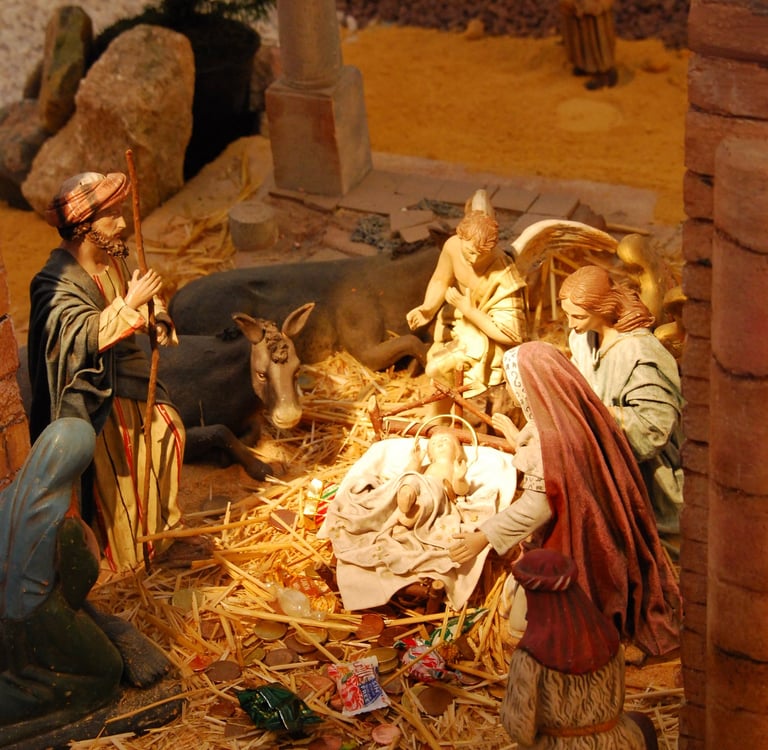
Detail of the municipal nativity scene in the city of Murcia. Photo by Felipe Ortega.
Traditional Crafts in the Region of Murcia
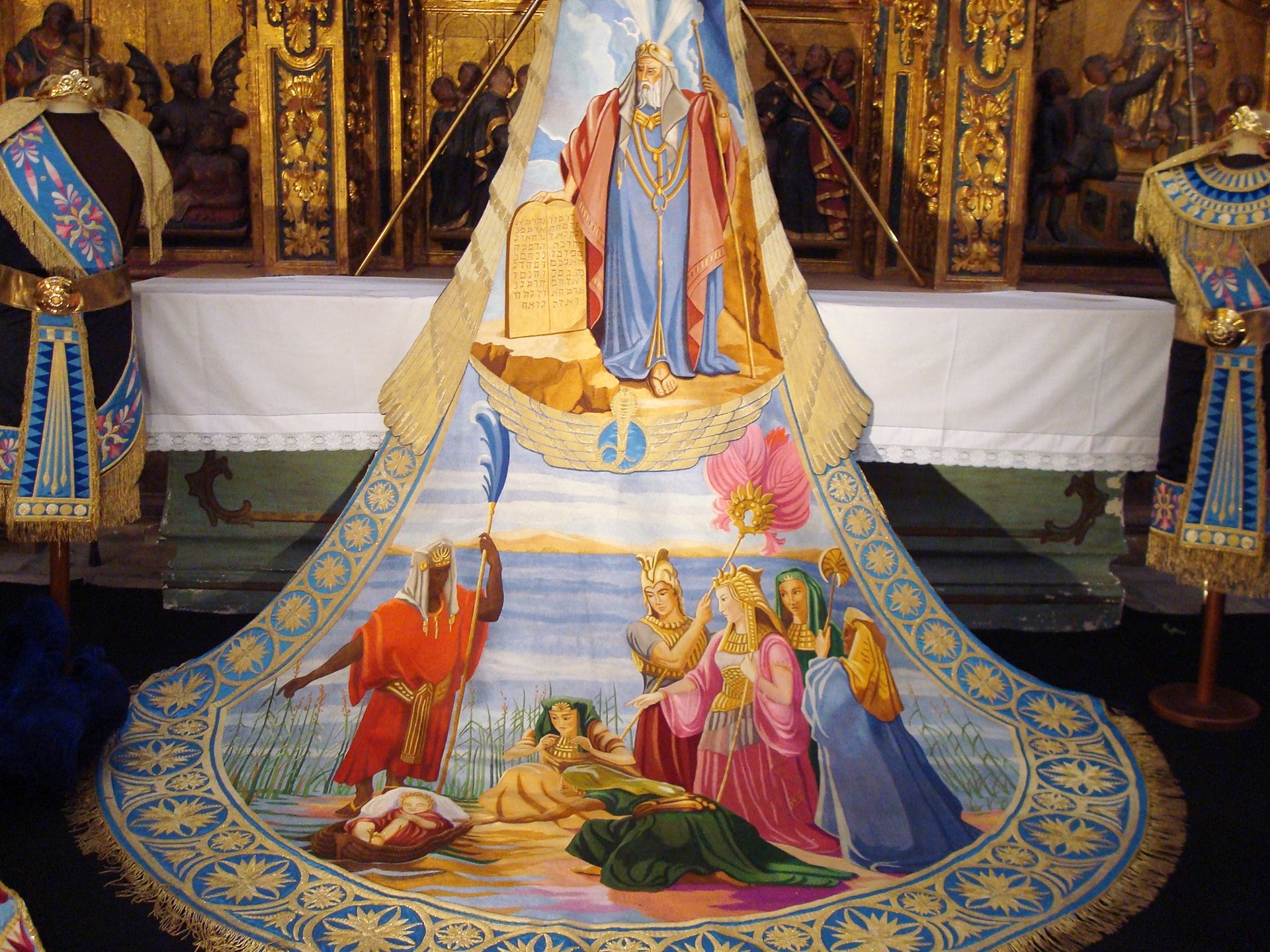
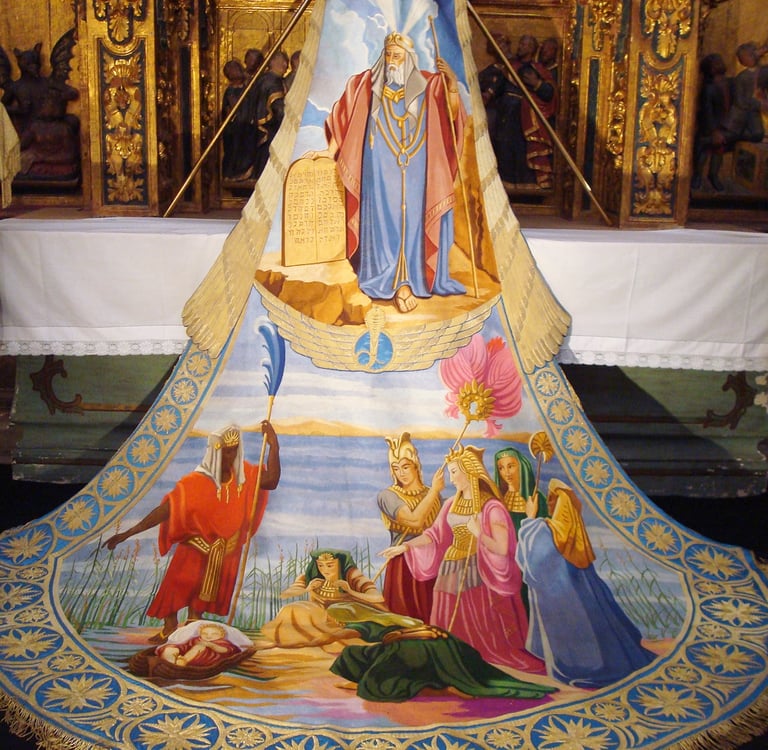
Embroidered cloak from Lorca depicting the scene of Moses being rescued as a baby from the waters of the Nile. Museo Azul, Lorca. Photo by Awuachumele.
Music plays a central role in Murcian popular culture, serving as a form of collective expression, celebration and memory. Rooted in rural life, religious devotion and festive gatherings, traditional music in Murcia combines song, dance and poetry, often performed in communal settings. These musical forms reveal strong links between territory, history and social life, and continue to be performed during local festivities, keeping alive a rich and diverse musical heritage.
A central element is the cuadrilla, a traditional music group made up of singers and instrumentalists who perform during festivities and rituals.
Key musical expressions include:
Canto de los auroros: Dawn religious songs, especially rooted in the Huerta.
Trovos: Improvised poetic duels, usually accompanied by guitar.
Murcian fandango: A local variant of traditional Spanish folk dance.
Malagueñas: Adapted locally within Murcian folk music.
Jota murciana: Lively dance music performed at celebrations.
Parrandas: Festive group performances.
Aguilandos: Christmas songs sung during the holiday season.
Flamenco and Cante de las Minas: Particularly associated with La Unión and the mining districts.
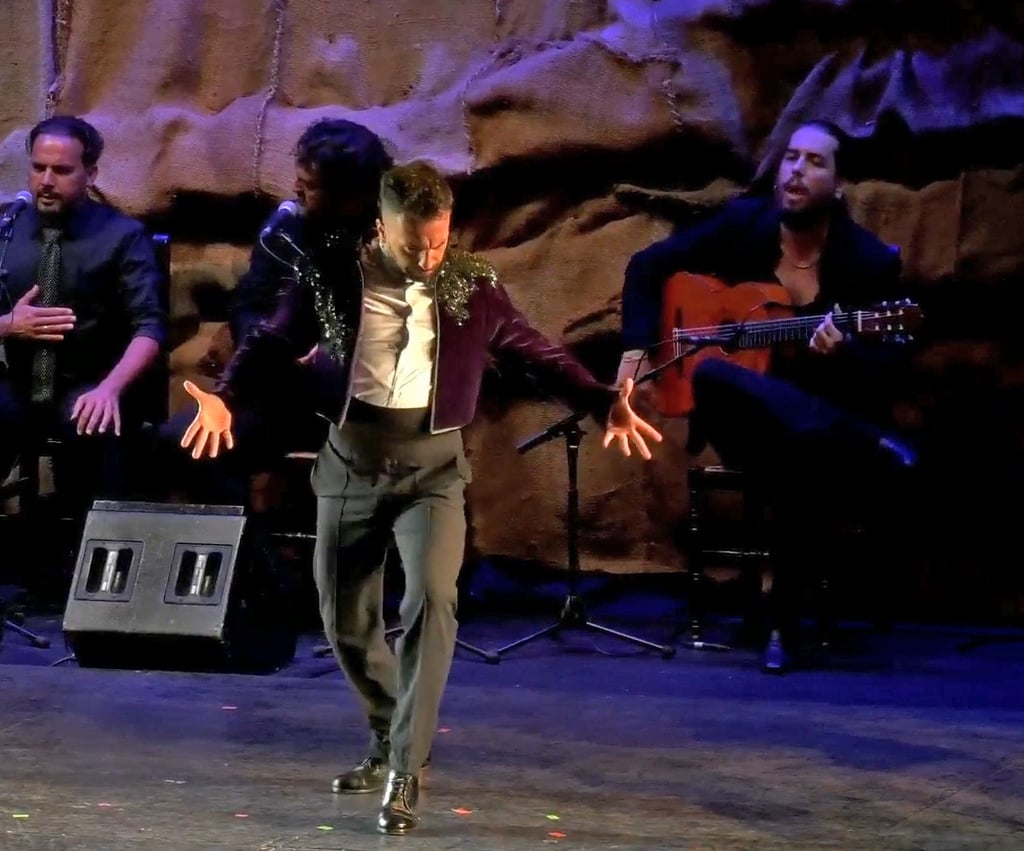
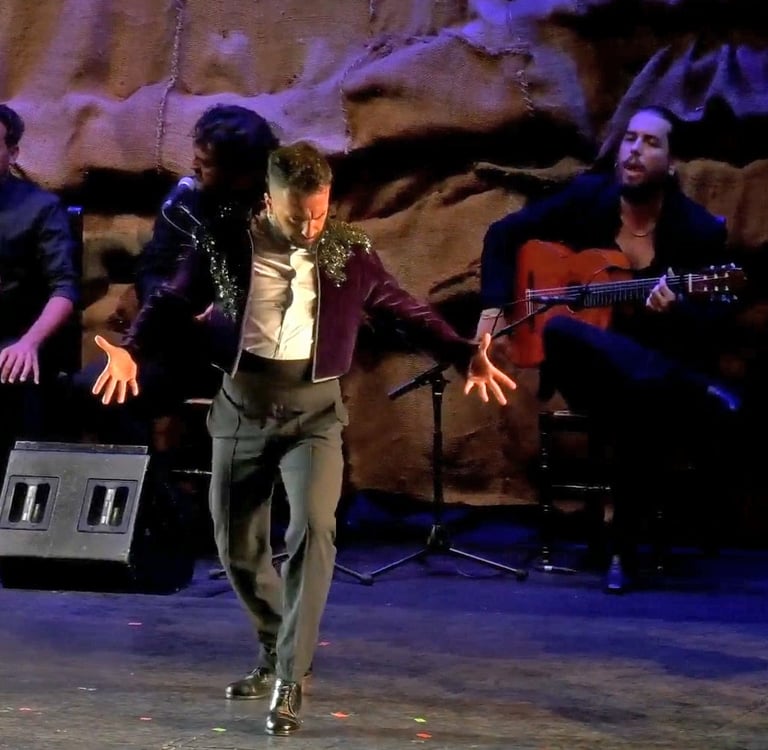
A moment from the performance of the dancer José Viñas at the Festival de Cante de las Minas de La Unión 2025. This flamenco festival is considered the most prestigious in the country, along with the Bienal de Flamenco de Sevilla.
Traditional Music of the Region of Murcia
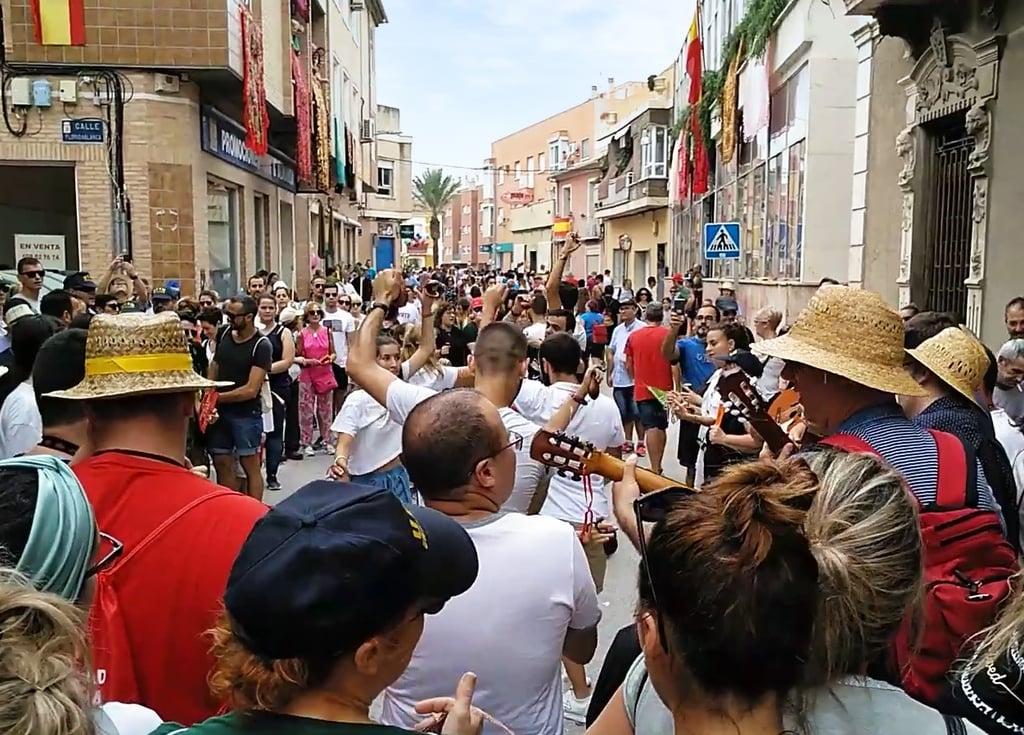
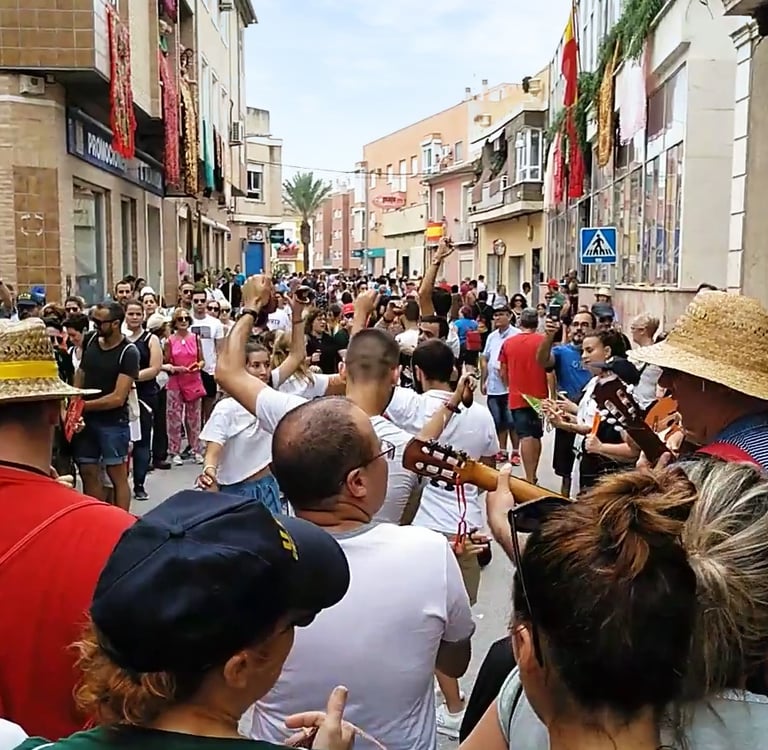
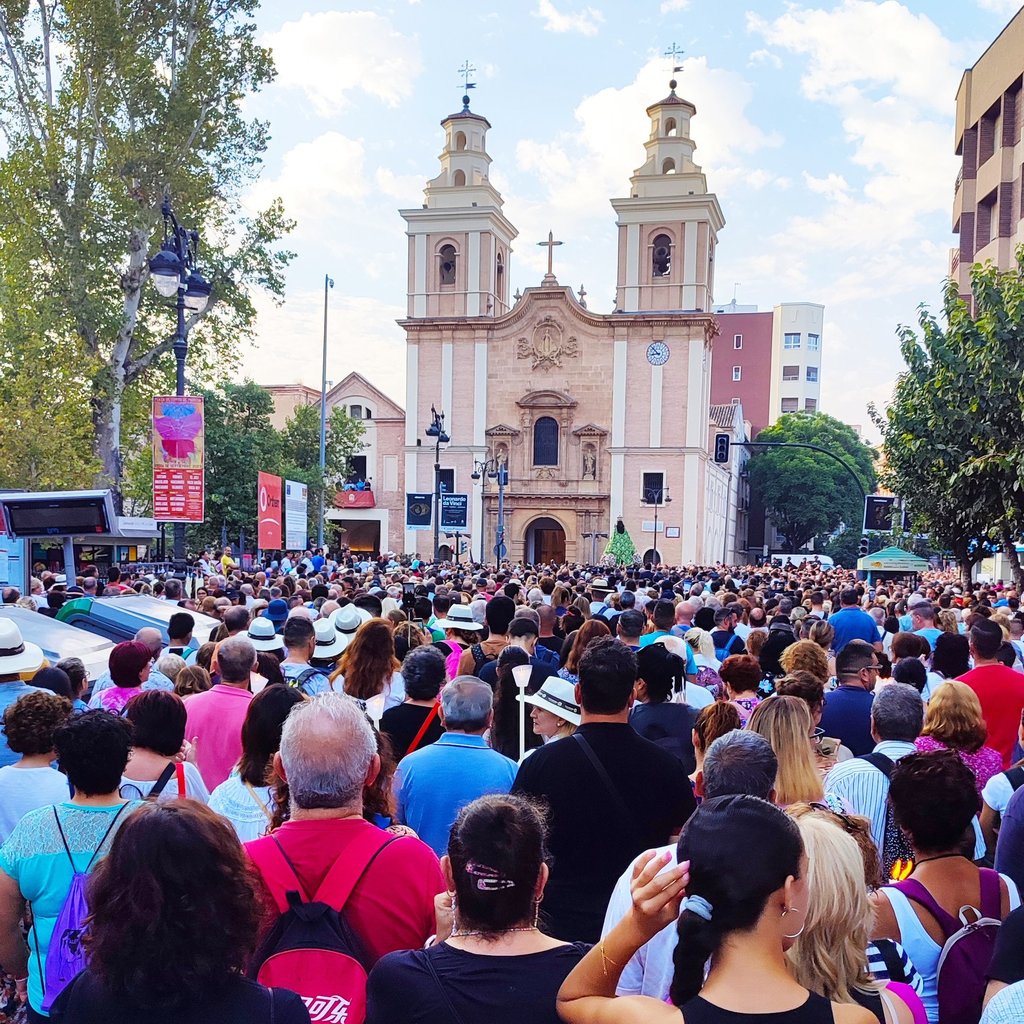
A "cuadrilla" (group) livens up the "Romería" of the Virgin of Fuensanta with their music and dance, on the outskirts of the Murcian capital.
Festivals and celebrations are one of the most visible and vibrant expressions of culture in the Region of Murcia. Throughout the year, towns and villages come alive with religious processions, historical reenactments, seasonal rituals and popular festivities that bring communities together in streets and public squares. These events reflect local identity, historical memory and a deep-rooted tradition of shared celebration, offering visitors an authentic way to experience Murcian culture through colour, music, gastronomy and participation.
Murcia has gained national recognition for its alternative and indie music scene, particularly in the city of Murcia, while coastal towns and historic cities host internationally renowned festivals. These events not only attract major artists from Spain and abroad, but also transform public spaces — squares, parks, port areas and historic venues — into open-air cultural meeting points. The combination of music, mild climate and urban heritage creates a unique atmosphere that appeals to both locals and visitors.
Some of the most important music festivals in the region include:
International Festival of Cante de las Minas (La Unión). Held every August in the former mining town of La Unión, this is one of the most prestigious flamenco festivals in the world. Dedicated to preserving and promoting traditional flamenco styles linked to mining culture, it brings together the greatest singers, guitarists and dancers, while reinforcing the cultural identity of the Sierra Minera.
San Javier International Jazz Festival. Celebrated in July, this festival has become one of Spain’s leading jazz events. Concerts take place in open-air venues and theatres, welcoming internationally acclaimed musicians and offering an elegant, relaxed cultural experience by the sea.
La Mar de Músicas (Cartagena). Also held in July, this festival focuses on world music and cultural diversity. Each year it highlights a guest country, combining concerts with exhibitions, cinema and cultural activities. Set against Cartagena’s historic port and streets, it is one of the most emblematic cultural events in the region.
Warm Up Festival (Murcia). A major spring festival centred on indie, pop and electronic music, Warm Up attracts a younger audience and positions Murcia as a reference point on the Spanish festival circuit. It reflects the city’s creative energy and contemporary cultural life.
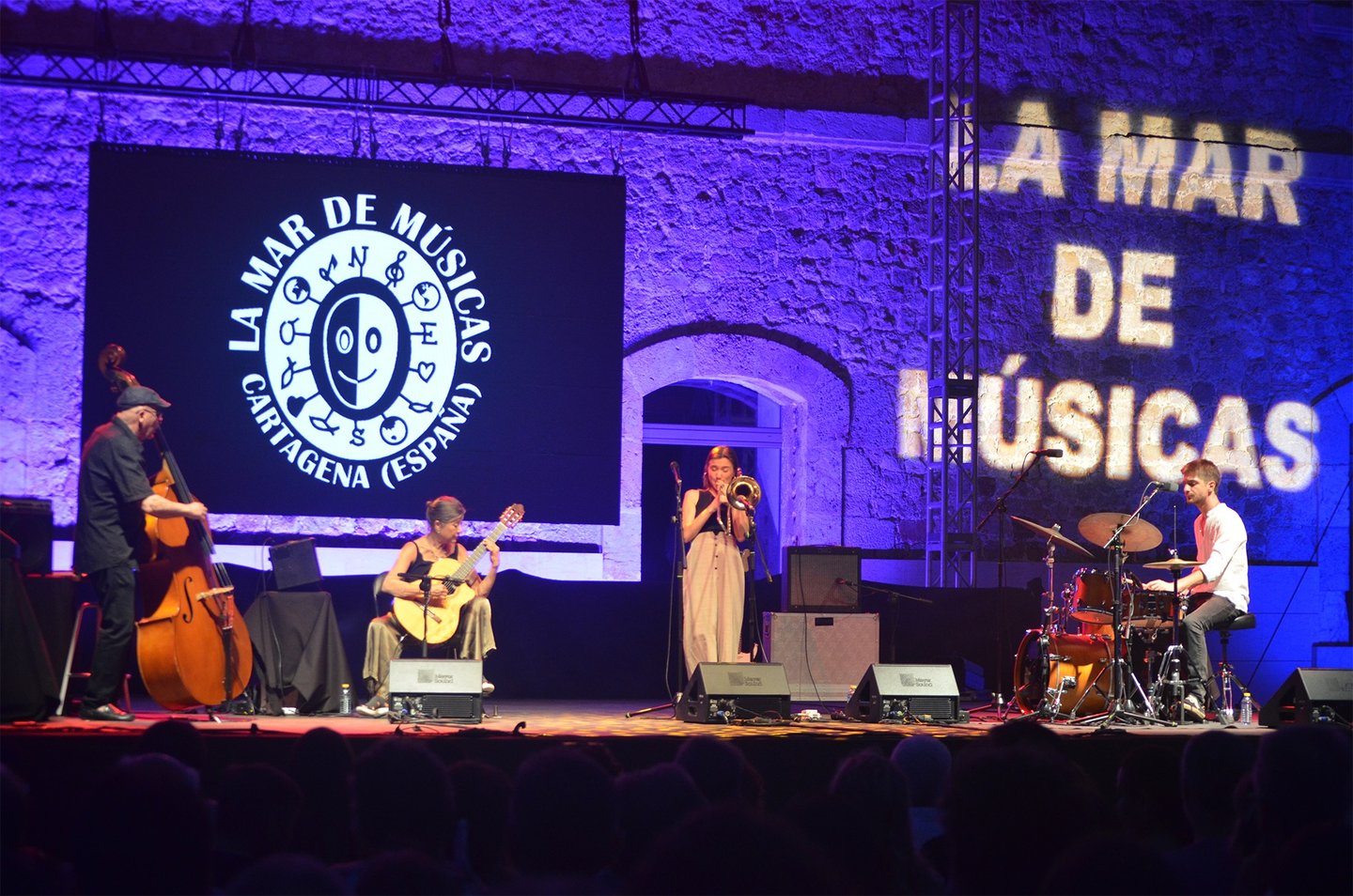
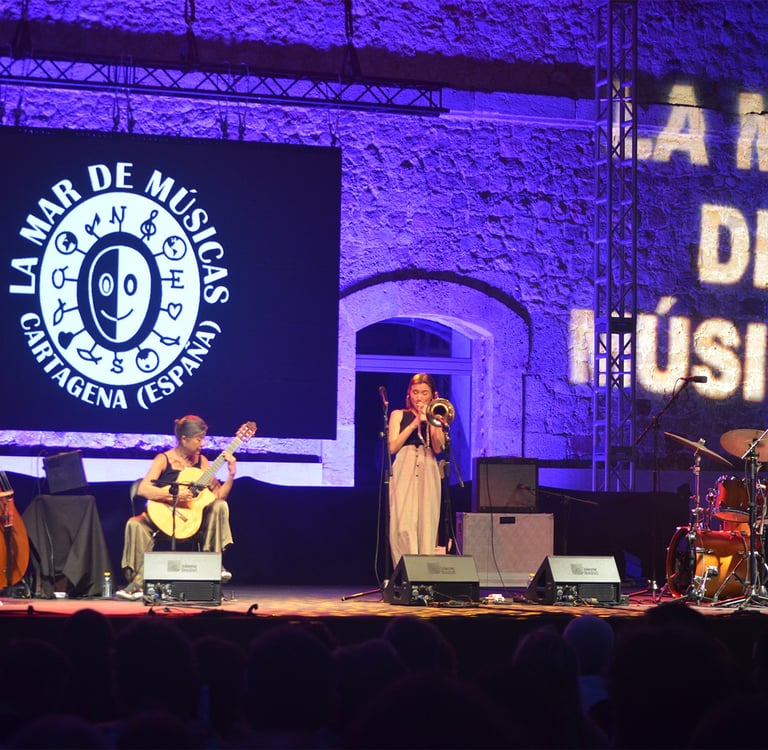
Rita Payés concert at the La Mar de Músicas festival in Cartagena in 2022. Photo by Esaenzdetejada.
Contemporary Music and Cultural Life
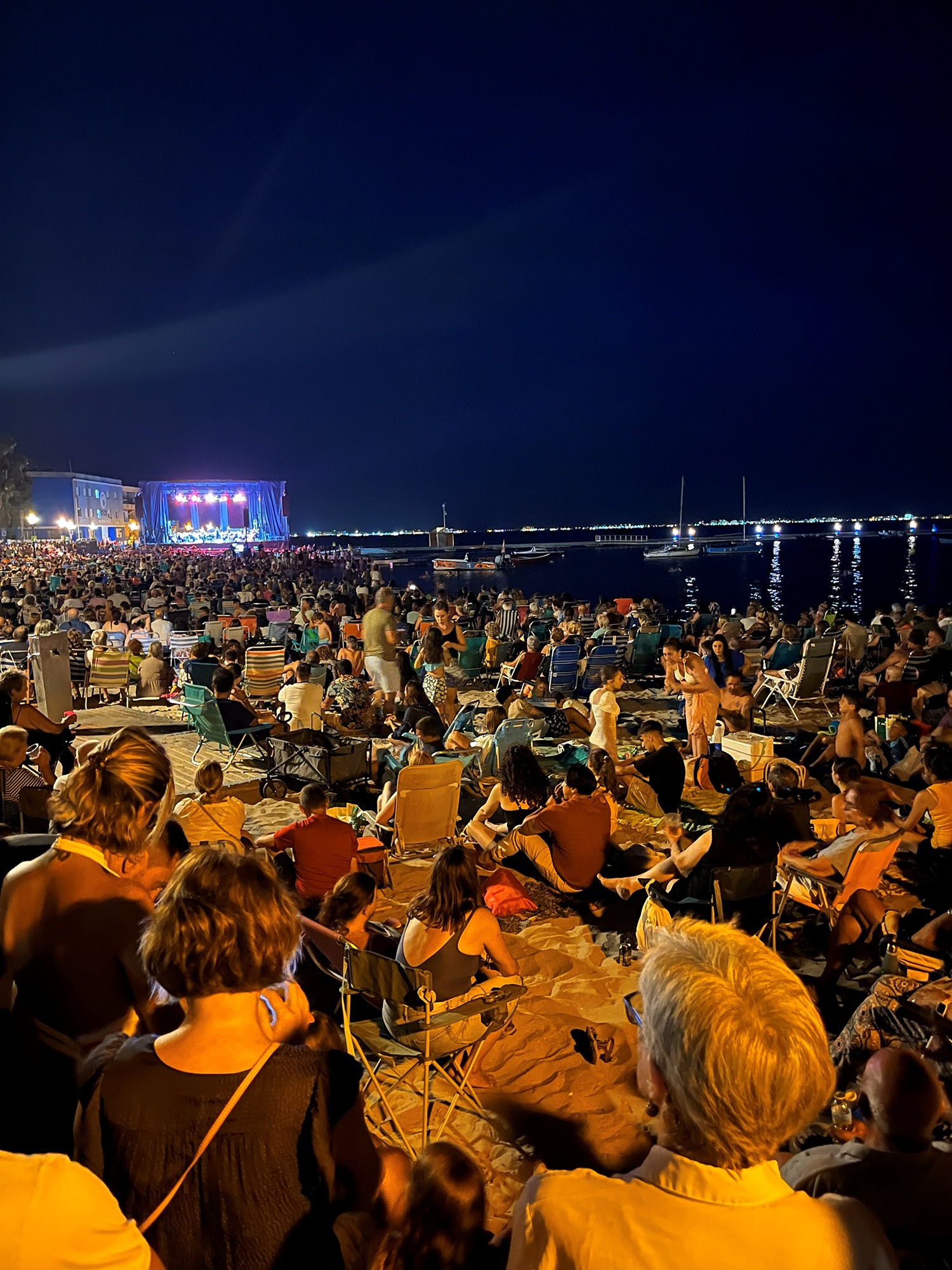
Concert by the Region of Murcia Symphony Orchestra, on Los Narejos beach, in the summer of 2025.
Local festivals are a fundamental part of social life in the Region of Murcia. Every town and village celebrates its own patron saints, seasonal rituals and historical commemorations, turning public spaces into places of shared identity, music, food and emotion. These festivities vary widely in form, combining religious devotion, historical memory and pure celebration.
Some of the most emblematic festivals include:
Holy Week (Semana Santa). Holy Week is celebrated throughout the region, but with very different styles. From the artistic processions of Murcia city to the dramatic biblical parades of Lorca, or the solemn ceremonies in smaller towns, Semana Santa reflects the diversity of Murcian religious and cultural expression.
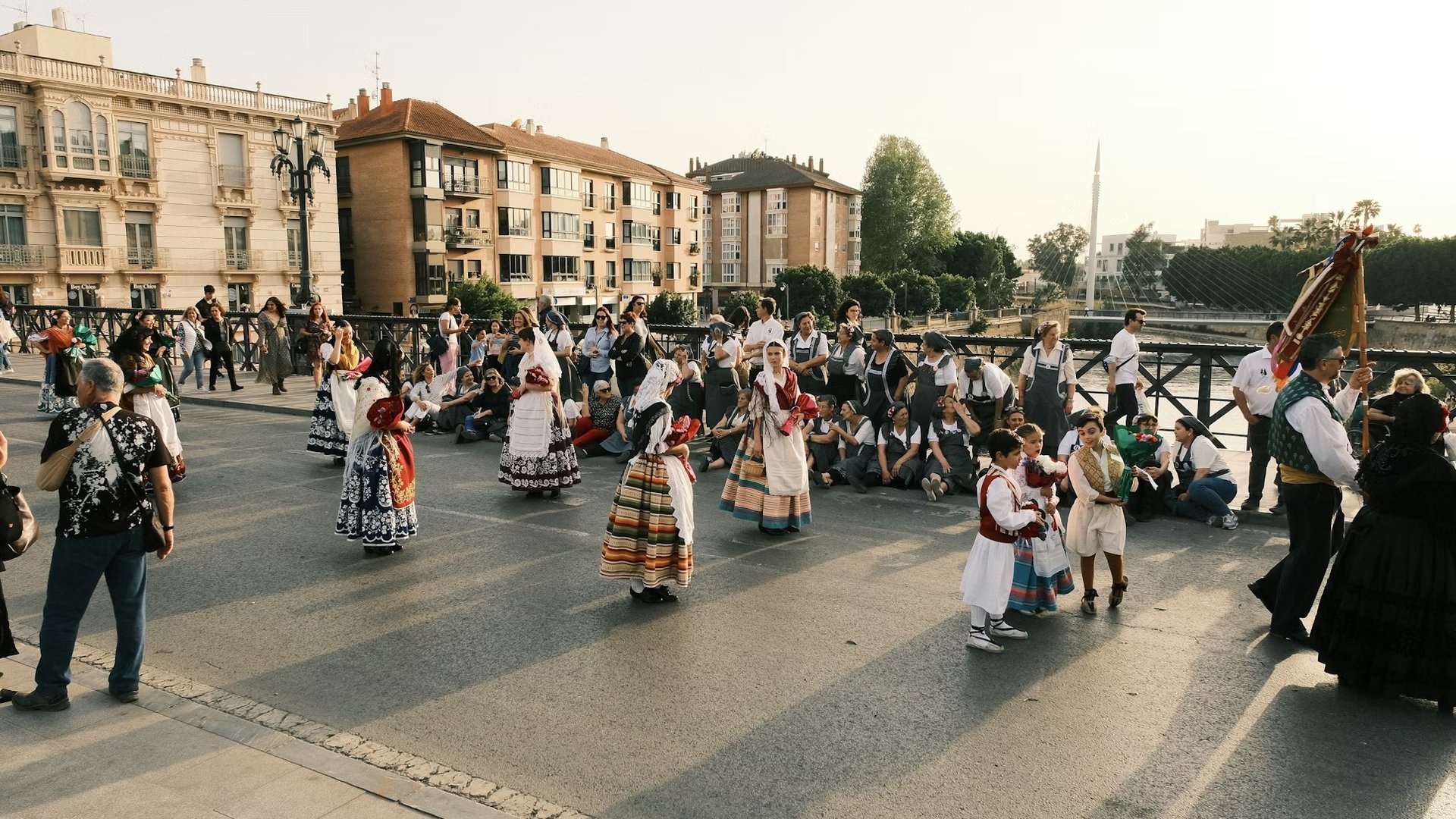
Spring Festival of Murcia (Fiestas de Primavera). Held after Holy Week, these festivities celebrate the arrival of spring with flower parades, traditional costumes and public celebrations, highlighting Murcia’s connection to the Huerta and agricultural heritage.
Fiestas of the Vera Cruz of Caravaca. Declared of International Tourist Interest, these celebrations culminate in the spectacular Caballos del Vino, a race and ritual in which richly decorated horses run up to the sanctuary, blending devotion, competition and ancestral tradition.
Carnival of Águilas. One of the most famous carnivals in Spain, Águilas combines colourful costumes, satire, music and parades, filling the streets with creativity and humour.
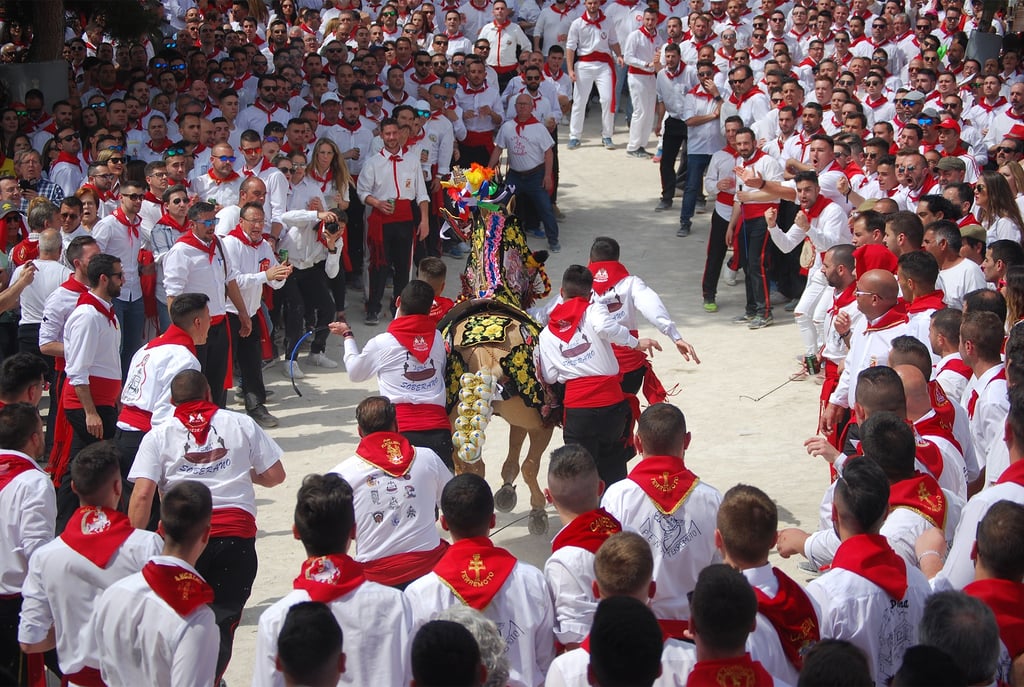
"The Wine Horses," part of the Caravaca de la Cruz festivities, were declared Intangible Cultural Heritage of Humanity by UNESCO in 2020. Photo by ConchiArroyo.
Popular Festivals and Celebrations
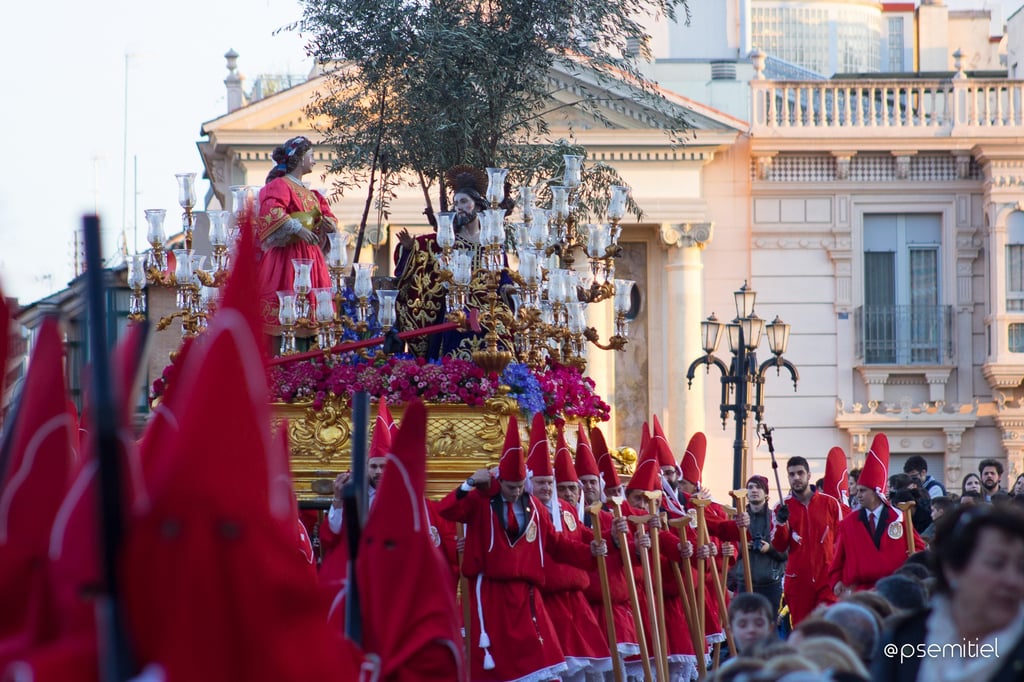
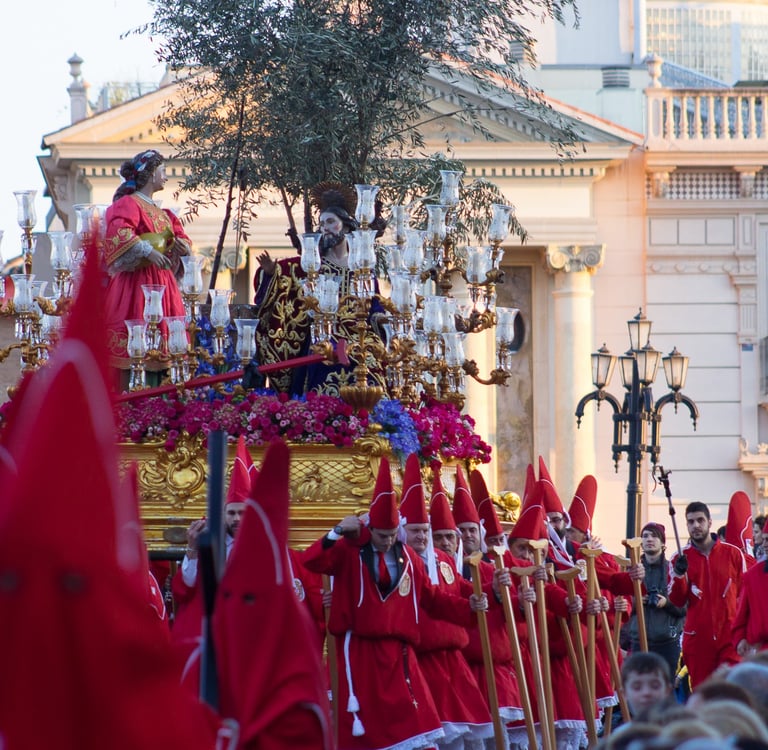
A moment from a Holy Week procession in the city of Murcia. The distinctive attire and the way the floats are carried are unique in Spain and different from the style of other towns in the Region. Photo by Pedro Semitiel.
Cartaginians and Romans (Cartagena). This festival recreates the ancient history of the city through parades, reenactments and performances, transforming Cartagena into a living historical stage each September.
Wine Festival of Jumilla. Closely linked to local viticulture, this festival celebrates wine culture through tastings, traditional events and popular festivities.
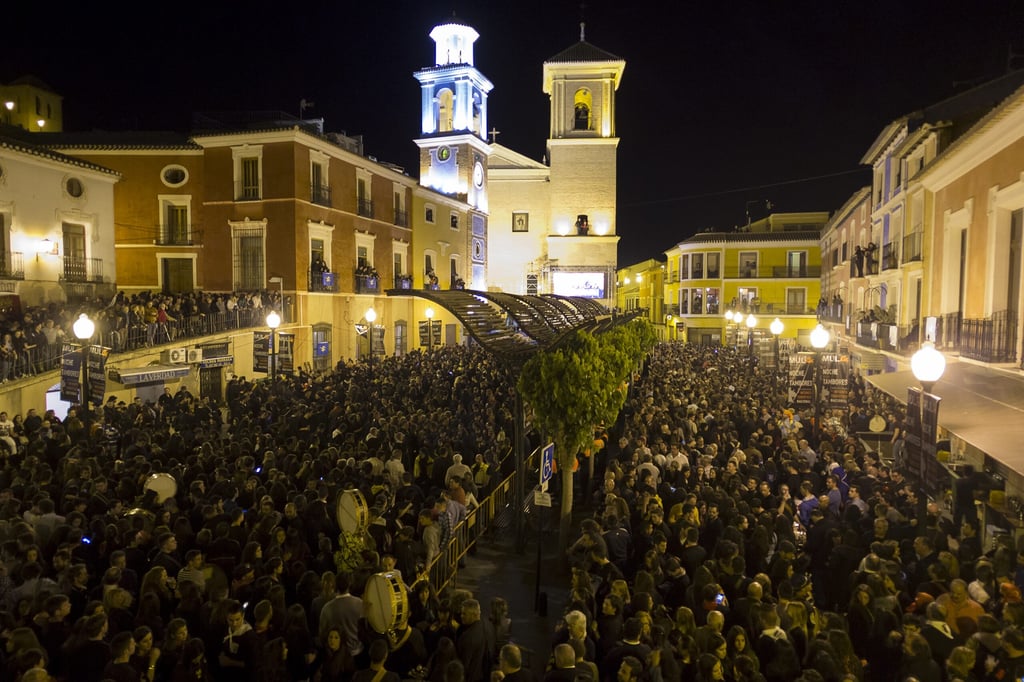
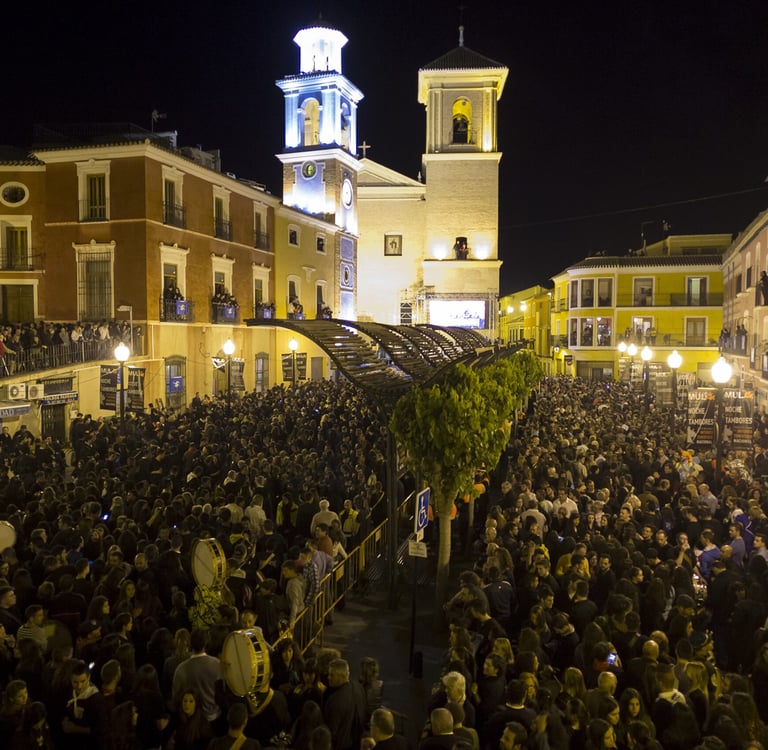
Drum Festivals of Mula. Particularly intense and symbolic, the drum rituals of Mula fill the streets with rhythm and collective energy, creating a powerful shared experience.
Mayos of Alhama de Murcia. A springtime tradition involving songs, flowers and community participation, reflecting ancient seasonal rituals.
Biblical-Passion Plays of Lorca. Unique theatrical processions that combine religious devotion with spectacular staging, costumes and live performances.
Berber Raids of Los Alcázares. A historical reenactment recalling coastal defences and pirate incursions, linking local history with festive celebration.
The town hall square of Mula during the Night of the Drums celebration, which runs from Tuesday to Holy Wednesday. Photo from lanochedelostambores.com.
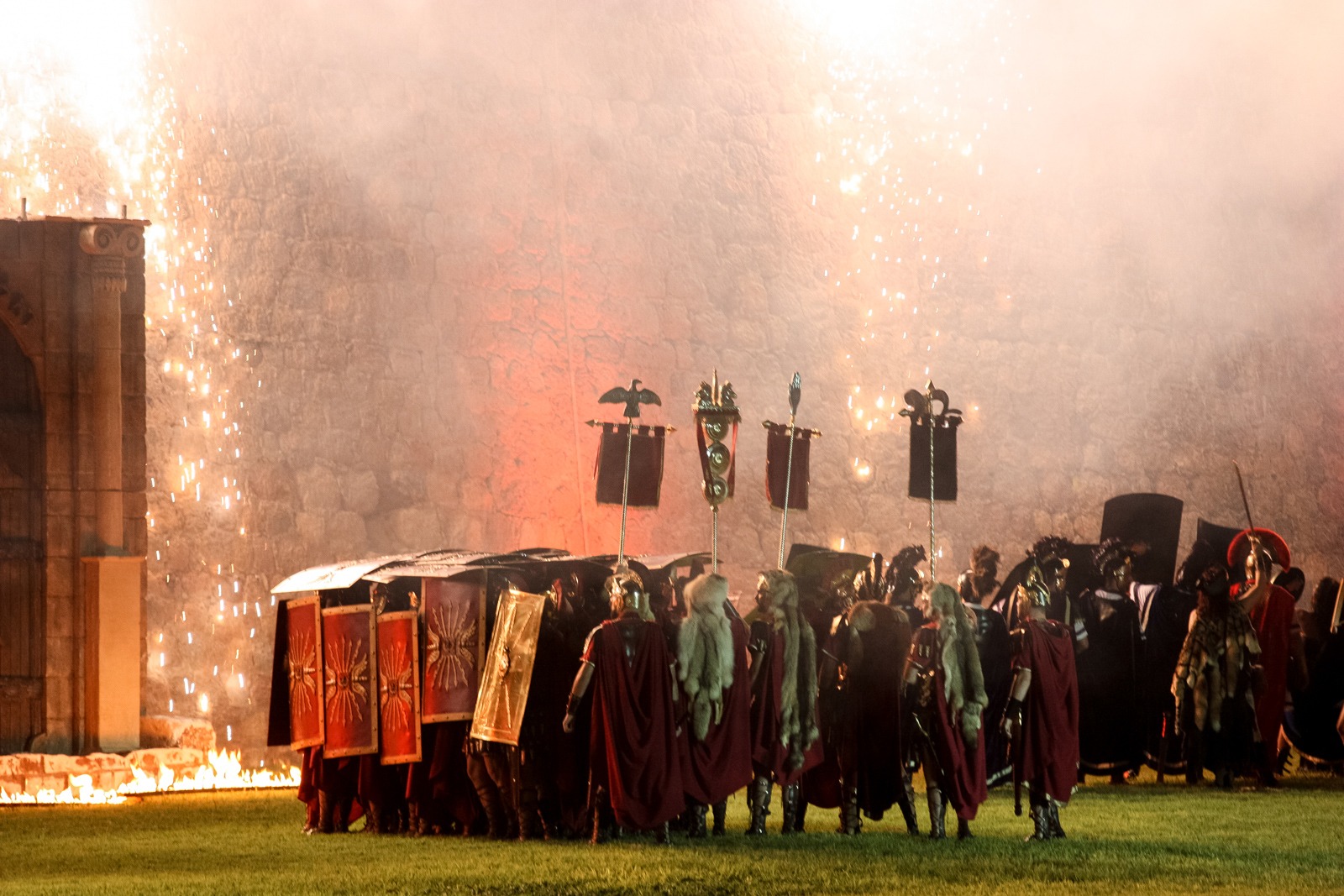
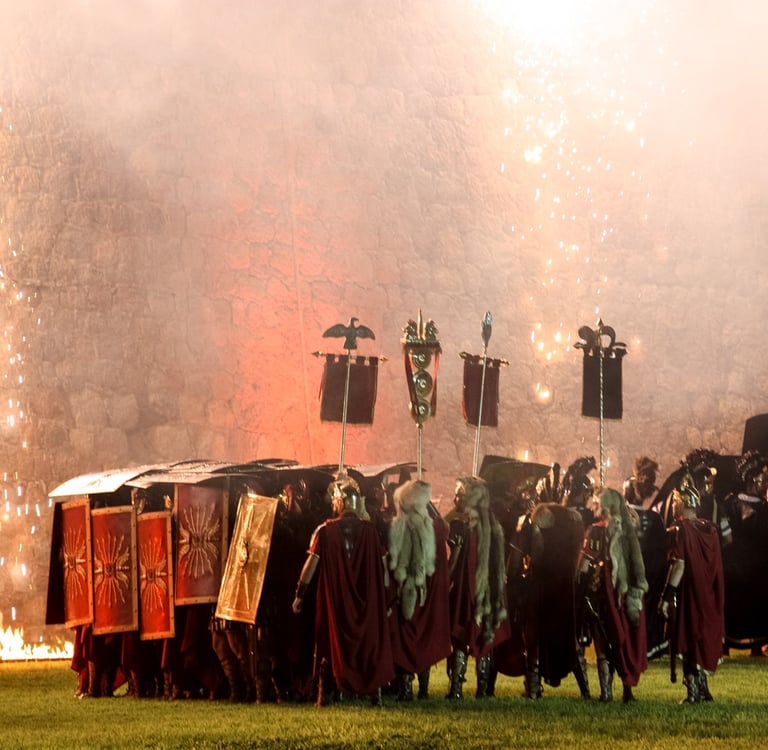
Reenactment of the Roman conquest of Carthago Nova as part of the Carthaginians and Romans Festival held every September in Cartagena. Photo by Giorgio Montersino.
Why Discover Murcia Through Its Local Culture?
Exploring the Region of Murcia through its popular culture allows visitors to go beyond monuments and landscapes. Language, food, music, crafts and festivals reveal a living, welcoming society deeply connected to its past and environment.
For travellers seeking authentic experiences, human connection and cultural richness, Murcia offers a warm and unforgettable way to understand southern Spain — not as a spectacle, but as a shared way of life.