Gastronomy of the Region of Murcia
Gastronomy is one of the clearest expressions of Murcian culture and identity. Rooted in the Mediterranean diet, local cuisine reflects centuries of agricultural tradition, fishing practices and cultural influences, from Roman and Islamic heritage to rural Christian customs. Fresh vegetables from the Huerta, rice, olive oil, pulses, pork and fish form the basis of a cuisine that is simple, seasonal and deeply connected to the land.
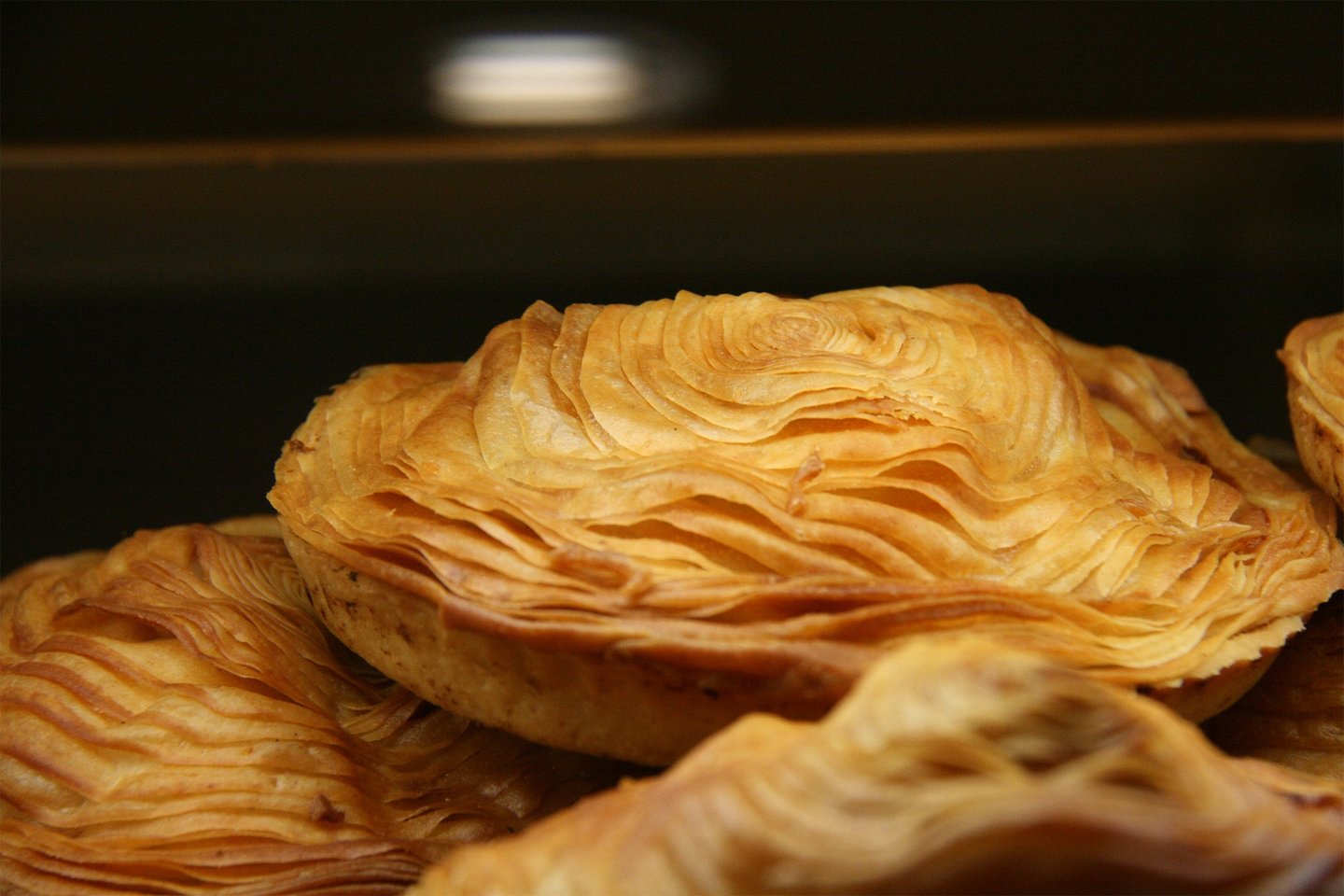
Iconic dishes such as caldero, zarangollo, michirones or the famous pastel de carne reveal the diversity of flavours found between the coast and the inland mountains. Exploring Murcian gastronomy is an essential way to understand everyday life in the region and is best discovered through local markets, traditional bars and family-run restaurants.
History and Influences
Murcian cuisine reflects the region’s history as a crossroads of cultures. Roman, Islamic and Christian traditions shaped a gastronomy based on local produce, seasonal cooking and simplicity, with strong links to agriculture, fishing and pastoral life.
Key Local Products
Some of the most important ingredients in Murcian cuisine include:
Vegetables and fruits from the Huerta of Murcia
Olive oil
Rice
Pulses and dried beans
Pork products
Fresh and salted fish
Local wines, especially from Jumilla, Yecla and Bullas
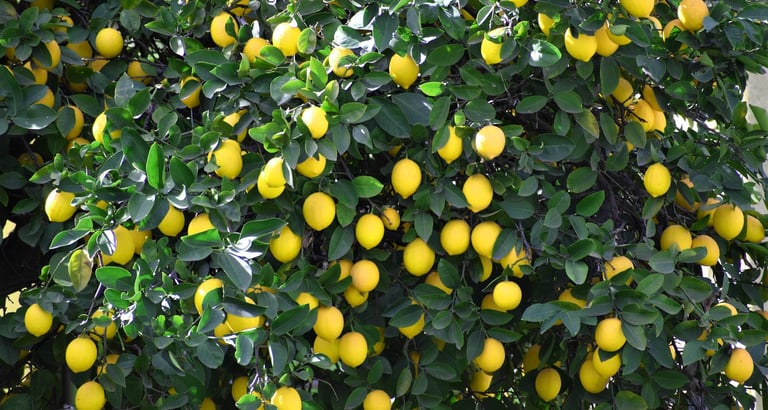

Murcia is the largest producer of lemons in Spain and Europe, with more than 25,000 hectares dedicated to this crop in the Region.
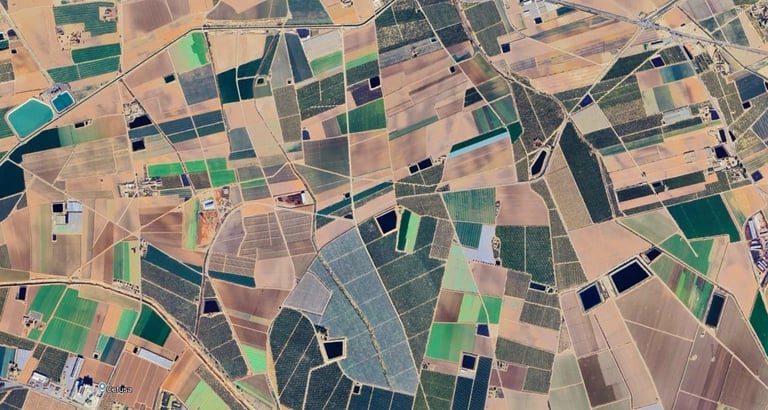
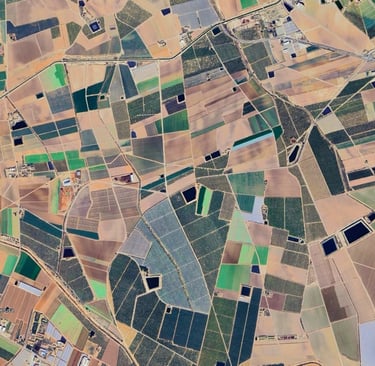
Aerial image of an area of Campo de Cartagena, one of the main agricultural districts of the Region.
Iconic Dishes of the Region
Murcian gastronomy reflects the region’s Mediterranean character, agricultural wealth and long history. Based on fresh local produce, simple techniques and seasonal ingredients, traditional dishes combine influences from rural life, fishing communities and centuries of cultural exchange. From hearty inland stews to rice dishes by the sea and iconic tapas enjoyed in bars and bakeries, Murcian cuisine offers an authentic and flavourful way to understand the region. Exploring its most emblematic recipes allows visitors to connect with local traditions and discover how food plays a central role in everyday life across the Region of Murcia.
Caldero de pescado
A traditional rice dish cooked with rich fish stock, originally prepared by fishermen. It is especially typical of the Mar Menor and Cabo de Palos area and is usually served with alioli.
Gachasmigas
A humble rural dish made with flour, garlic and olive oil, often accompanied by sausages, bacon or grapes. It is common in inland and mountain areas, particularly during colder months.
Pisto murciano
A vegetable stew prepared with tomatoes, peppers and courgettes, reflecting the agricultural richness of the region. It is enjoyed throughout Murcia, especially during summer.
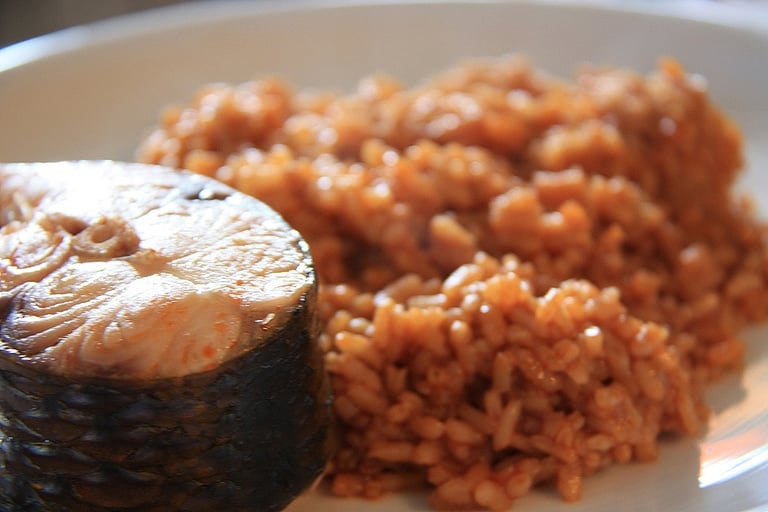
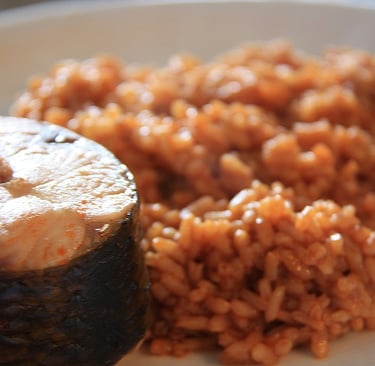
"Caldero" of rice with mullet, especially typical in the Mar Menor area. Photo by Javier Lastras.
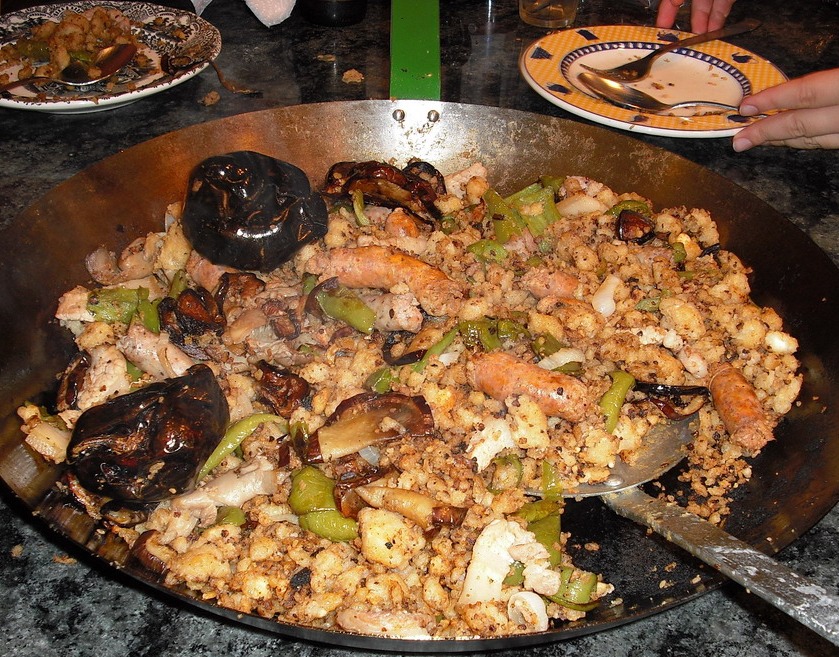

"Migas" is a high-calorie dish made with stale breadcrumbs and a variety of ingredients that vary depending on the region and time of year. It's especially popular on rainy days. Photo by Sapoproductions.
Zarangollo
A simple dish of scrambled eggs with courgette and onion, closely associated with Murcia city and the Huerta. It is often served as a tapa or light meal.
Olla de cerdo
A hearty stew based on pork, legumes and vegetables. Traditionally prepared in rural and inland areas, it reflects the region’s farming and livestock traditions.
Michirones
A popular bean dish cooked with ham, chorizo and spices. Widely enjoyed across the region, particularly in Murcia city and surrounding towns.
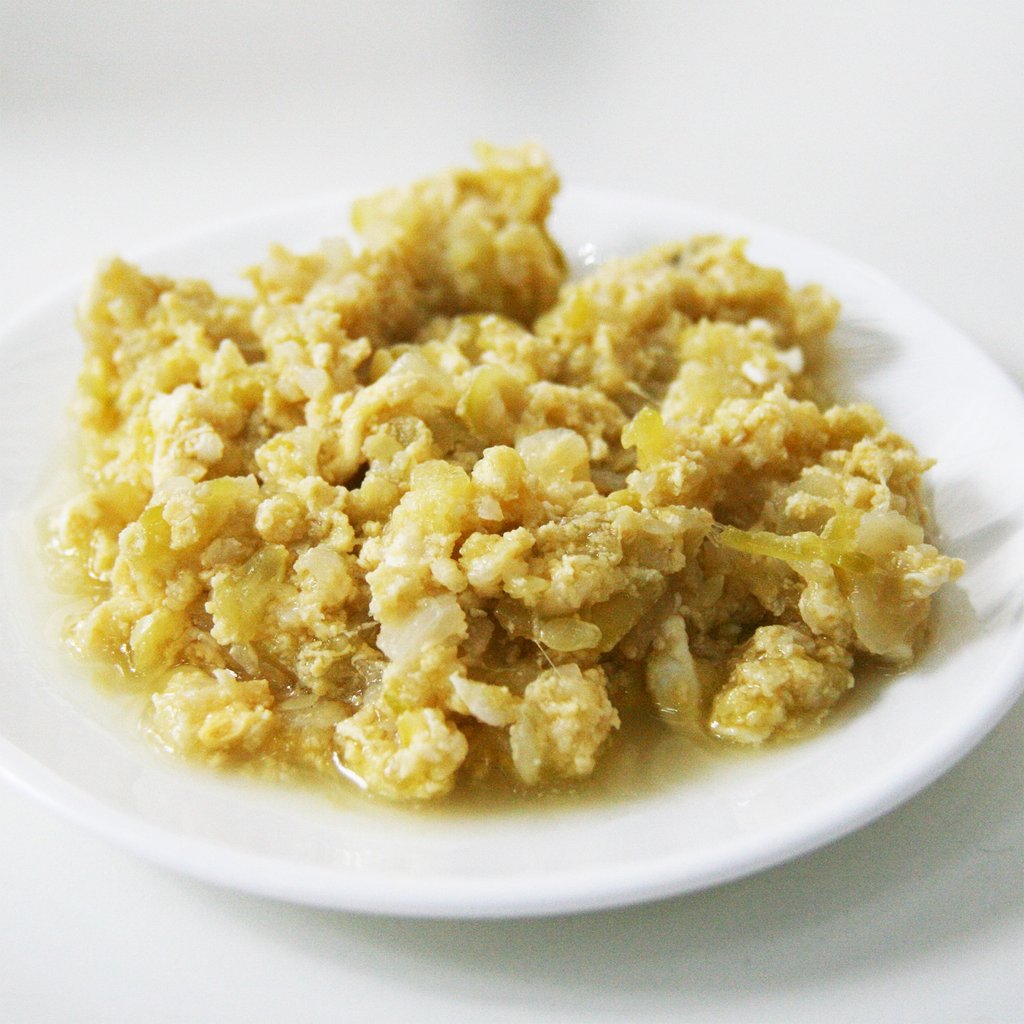
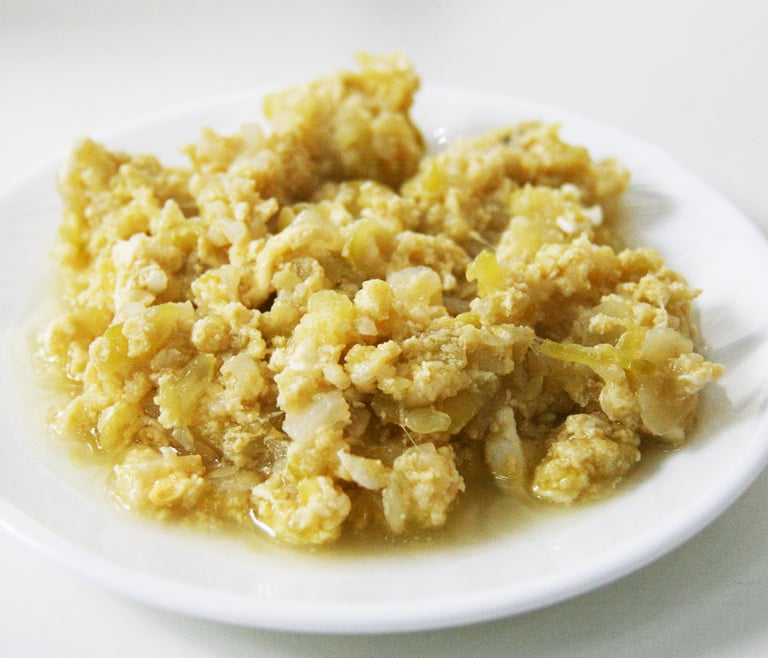
"Zarangollo" is a simple yet very healthy and nutritious dish made with zucchini, onion, and eggs. Photo by Tamorlan.
Gazpacho jumillano
A meat-based dish served over flatbread, unrelated to Andalusian gazpacho. It is typical of Jumilla and the Altiplano, especially during festive gatherings.
La marinera
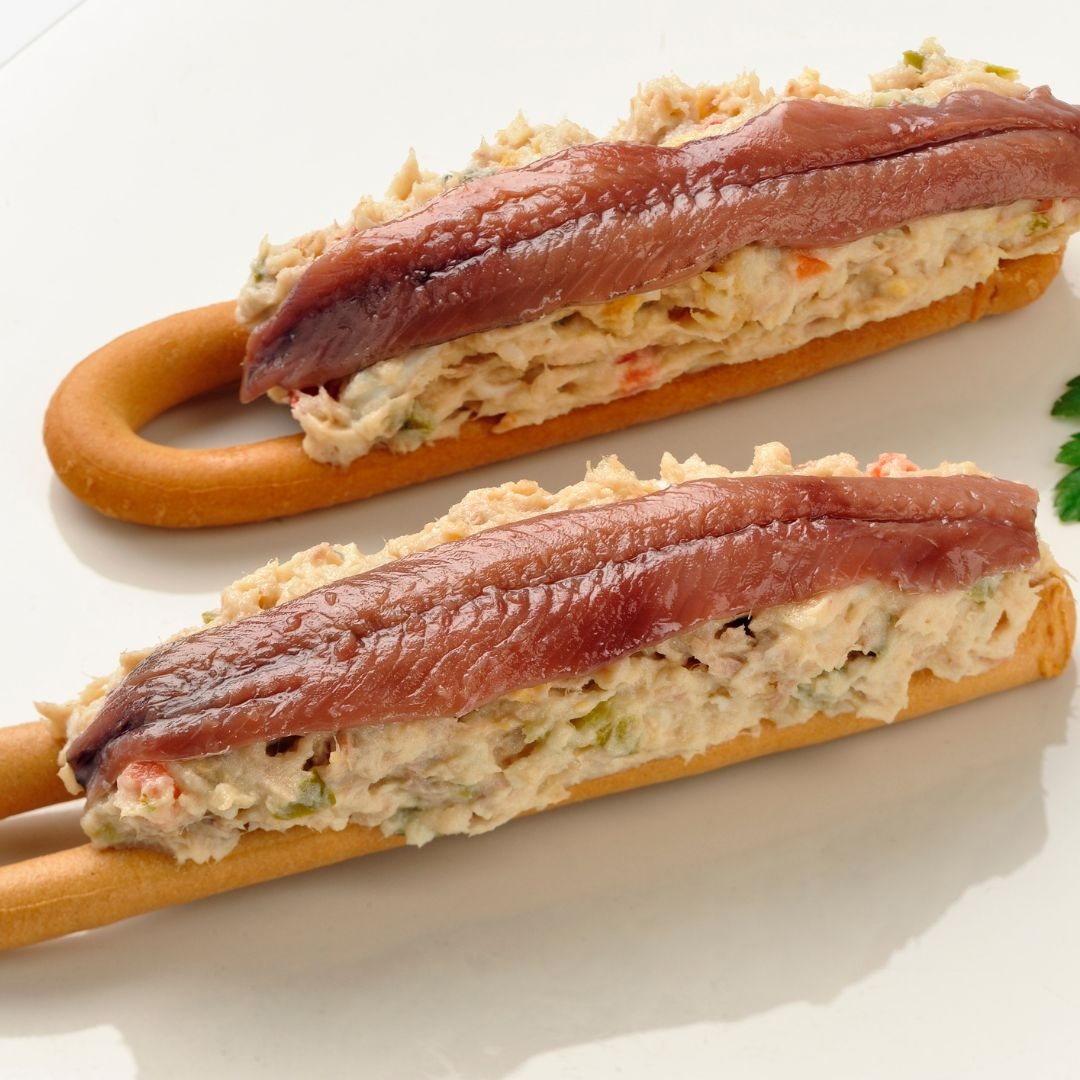
One of the most iconic Murcian tapas, made of bread topped with Russian salad and an anchovy. It is a staple of bars in Murcia city and coastal towns.
Pastel de carne murciano
A traditional savoury pastry typical of Murcia city, filled with minced meat and topped with a distinctive spiral of puff pastry. With medieval origins, it is one of the region’s most recognisable culinary symbols.