
Murcia City


Murcia is a vibrant and welcoming city located in southeastern Spain and the capital of the Region of Murcia. Nestled in the fertile Segura River valley and surrounded by orchards, farmland, and gentle mountain ranges, the city enjoys a privileged natural environment that has shaped its history, economy, and lifestyle for over a thousand years. With a population of over 460,000, Murcia is one of the largest cities in southern Spain, combining the services and cultural life of a regional capital with the relaxed atmosphere typical of the Mediterranean.
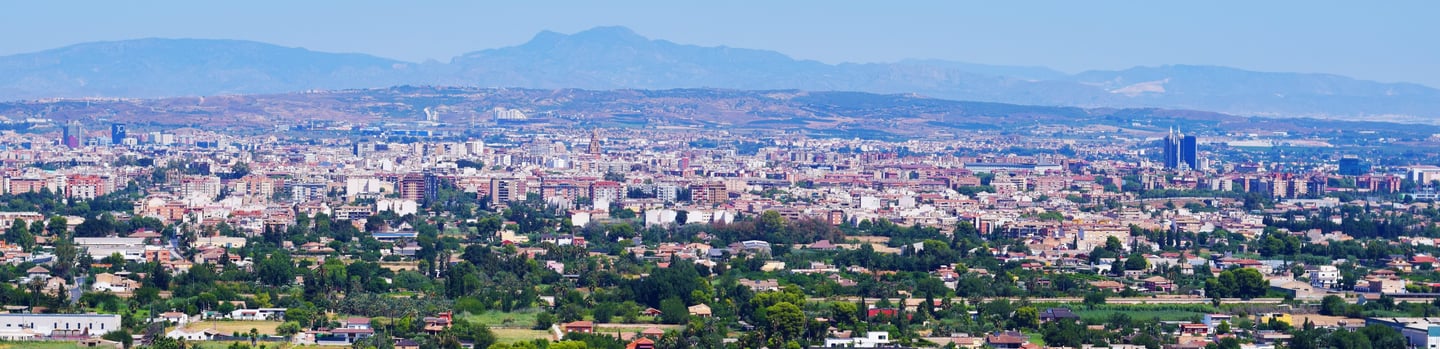
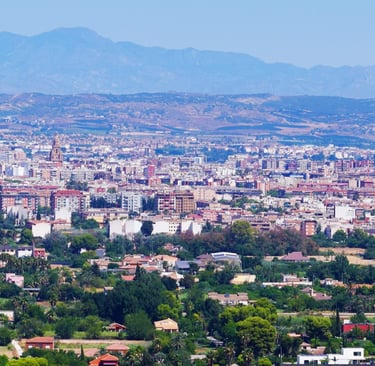
Panoramic view of the city of Murcia from the Sanctuary of Fuensanta, located about 6 kilometers from the city centre.
The city's relationship with water and agriculture has been fundamental since its origins, earning the region the traditional nickname of the Orchard of Europe. This agricultural heritage continues to play a significant role in the Murcian economy today, particularly through intensive agriculture and the agri-food industry, which employs a large part of the population. Alongside agriculture, the service sector dominates the local economy, with commerce, tourism, education, healthcare, and public administration generating the majority of employment. Murcia is also a major university city, attracting students and researchers year-round.


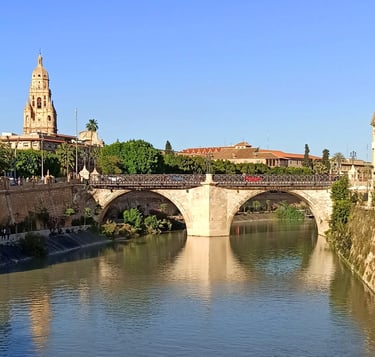
The Segura River, the largest river in the Region of Murcia, as it passes through the capital.
The heart of southeastern Spain
Popular Tours in Murcia:
Murcia Walking Tour: The Best of Murcia
Murcia: Walking Tour + Cathedral
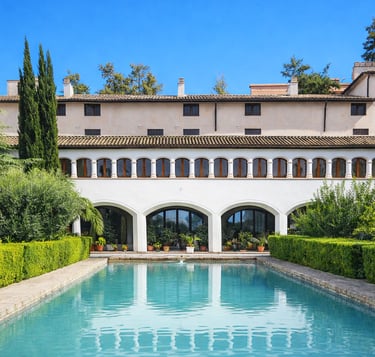
Murcia: Tour of Mursiya, the Islamic City
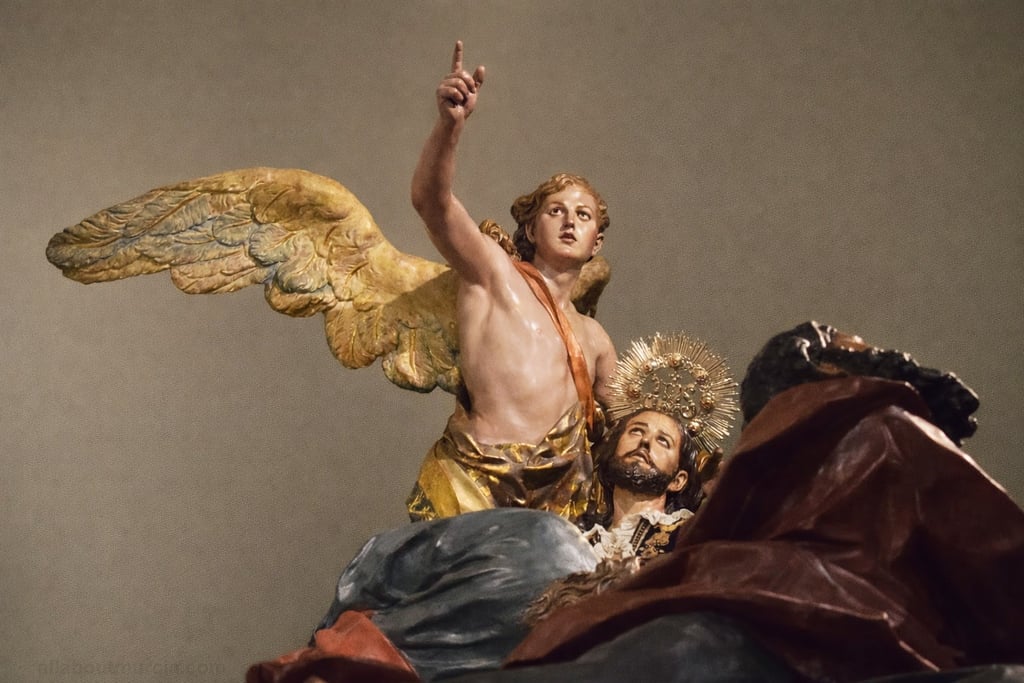
Murcia: Guided Visit to de Salzillo Museum
Its long and fascinating history makes it an ideal destination for cultural tourism and guided tours. Although human presence in the area dates back to prehistoric times, as evidenced by the archaeological sites in the surrounding area, the city was officially founded in 825 by Abd al-Rahman II, Emir of Córdoba. During the Islamic period, Murcia—then known as Mursiya—became a prosperous medina thanks to an advanced irrigation system that transformed the Segura Valley into one of the most productive agricultural areas of Al-Andalus.
The city reached one of its most brilliant periods in the 12th century under the reign of Ibn Mardanish, known as the Wolf King. During this period, Murcia became an important political, economic, and cultural center of southeastern Iberia. Many elements of the historic irrigation network that can still be seen today date from this era, making guided tours especially valuable for understanding how the landscape was shaped. In the mid-13th century, Murcia was incorporated into the Crown of Castile following the Christian conquest led by Alfonso X the Wise, when he was still a prince under his father, King Ferdinand III. The city became the capital of the Kingdom of Murcia, maintaining a diverse population and playing a strategic role within medieval Castile. Throughout the Late Middle Ages and the Early Modern period, Murcia experienced steady growth, expanding beyond its walls while facing challenges such as floods and epidemics.


Monument dedicated to the emir of Al-Andalus Abderramán II, honoring him as the founder of the city of Murcia in the year 825.
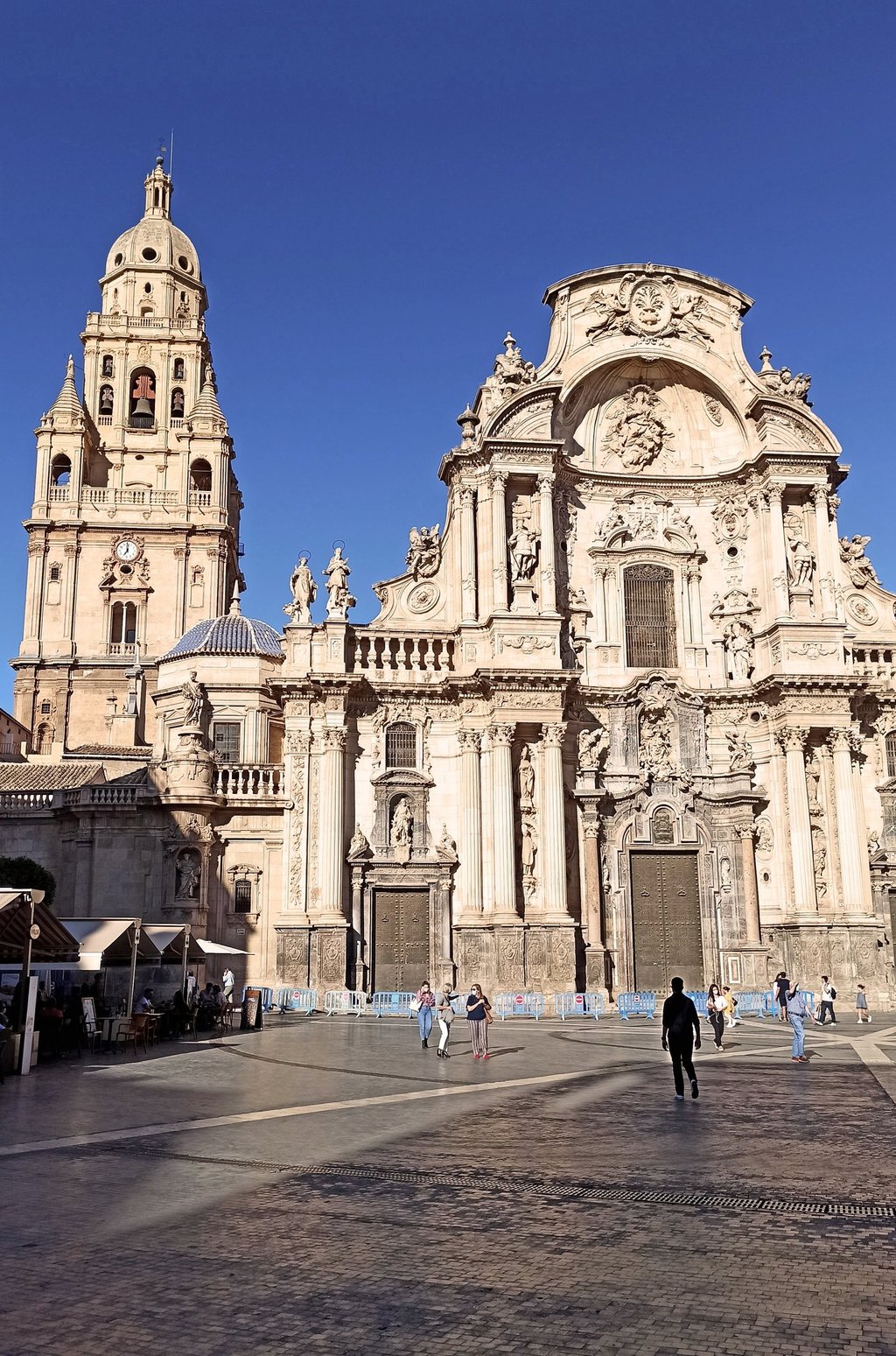
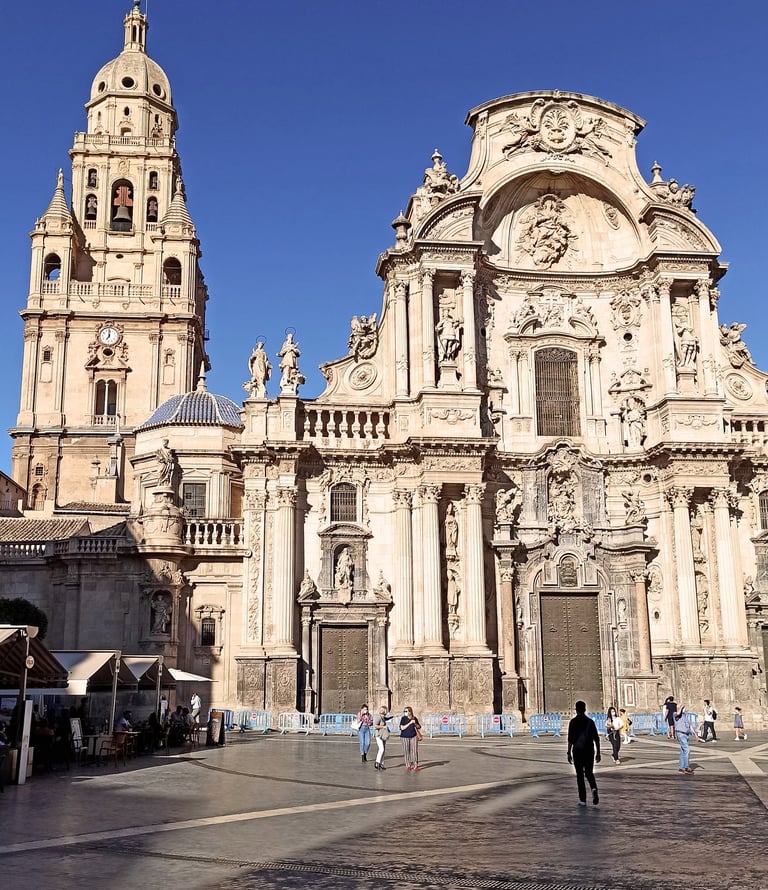
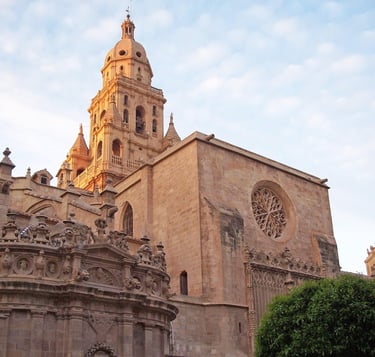
The Cathedral is Murcia's most emblematic monument. Although its construction dates back to the Middle Ages, an imposing Baroque façade, one of the finest examples of this style in Spain, was added in the 18th century.
The 18th century marked a true golden age for Murcia. Economic prosperity and artistic ambition fostered an extraordinary flourishing of Baroque art and architecture, which today defines much of the city's historic center. This legacy can be admired in its churches, palaces, and especially in its religious sculpture, making Murcia a key destination for lovers of Spanish Baroque art. The 19th and 20th centuries brought modernization, urban expansion, and social change, transforming Murcia into the dynamic and modern city it is today, while preserving its historical identity.
One of the main attractions of any visit to Murcia is its rich artistic and cultural heritage. The Cathedral of Santa María stands as the city's most emblematic monument, combining Gothic, Renaissance, and Baroque elements, and crowned by a spectacular façade, which can be considered one of the pinnacles of Baroque architecture in Spain. Nearby, visitors can admire exceptional religious buildings such as the Monastery of Santa Clara la Real, which preserves important Islamic remains, the Church of San Juan de Dios, and other historic parish churches closely linked to the city's artistic tradition.
Murcia's civil architecture is equally impressive, with monuments such as the Real Casino de Murcia, a magnificent building constructed at the turn of the 20th century, reflecting the elegance of the bourgeois society of the time. Other notable civil buildings include the Episcopal Palace next to the Cathedral, the Romea Theatre, and historic bridges like the Puente de los Peligros o Puente Viejo (Old Bridge).
The city also boasts excellent museums, such as the Museum of Fine Arts (MUBAM), the Salzillo Museum, dedicated to the city's most famous sculptor, the Archaeological Museum, and the City Museum—all essential contexts for understanding Murcia's history and culture.


Entrance hall to the Casino of Murcia, built at the beginning of the 20th century in a neo-Islamic style inspired by the Alhambra of Granada.
Festivals and traditions are an integral part of Murcia's identity and one of the main reasons to visit the city. Murcia's Holy Week celebrations are internationally renowned for the quality of their Baroque processional sculptures, especially those by Francisco Salzillo.
After Easter, the city comes alive during the Spring Festivals, with the colorful Bando de la Huerta parade and the spectacular Burial of the Sardine, two of the most popular celebrations in southeastern Spain. In September, the city honors its patron saint, the Virgen de la Fuensanta, with a traditional fair that blends religious devotion, music, and local customs.
Thanks to its history, monuments, gastronomy, festivals, and warm climate, Murcia is an ideal destination for cultural tourism, walking tours, and guided visits. Exploring the city with an expert local guide allows visitors to fully appreciate its heritage, discover hidden corners, and understand why Murcia is one of the most authentic and rewarding cities in Spain.


