Lorca
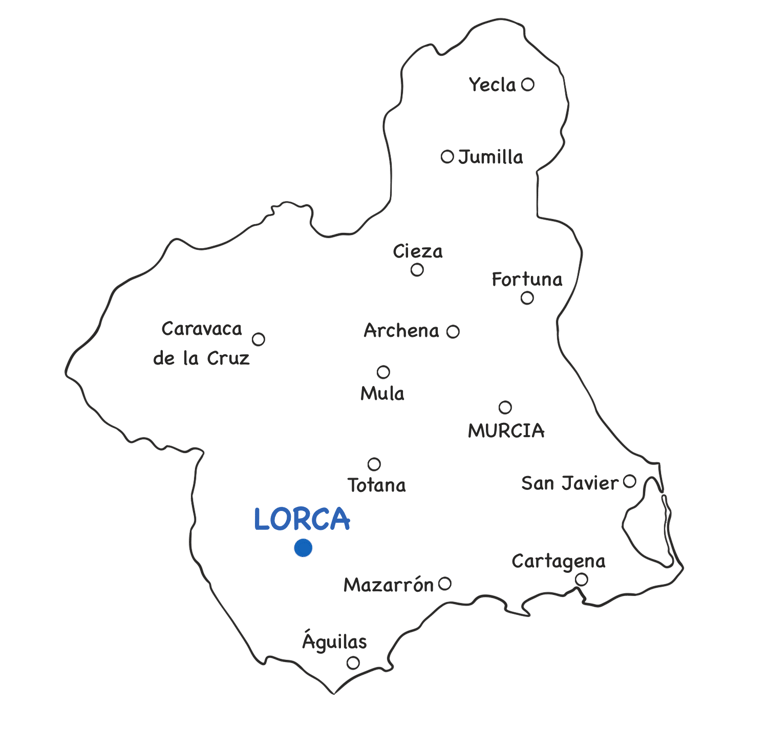

Nestled in the fertile Guadalentín valley, cradled by rugged mountains and kissed by gentle Mediterranean breezes, Lorca is one of the Region of Murcia’s most compelling yet under-explored gems. With around 95,000 residents, it’s a city where history is not just preserved in museums — it’s written into the very stones of its streets, palaces and fortress walls.
Often called the “Baroque City of Murcia”, Lorca has a unique personality shaped by centuries of cultural exchange — from Roman traders and Moorish emirs to Christian knights and Renaissance nobles. This rich tapestry of influences makes it a rewarding destination for curious travelers who want to do more than just see a city: they want to experience it.
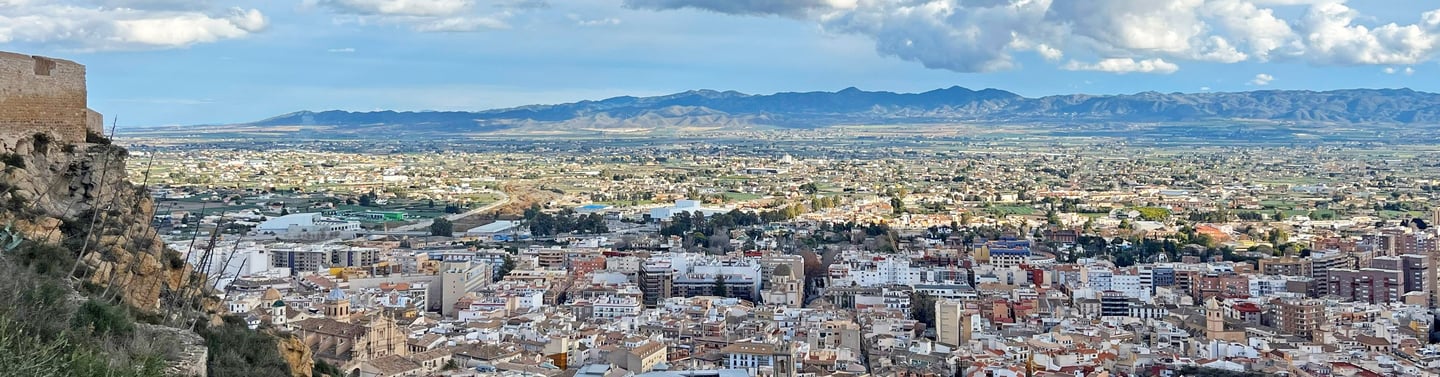
Panoramic view of the town from the Castle.
The Baroque Jewel of Southeast Spain
Lorca’s story stretches all the way back to prehistoric times, and evidence of ancient settlement has been found throughout the region. The Romans called this place Ilurco, and traces of their presence still surface in archaeological digs.
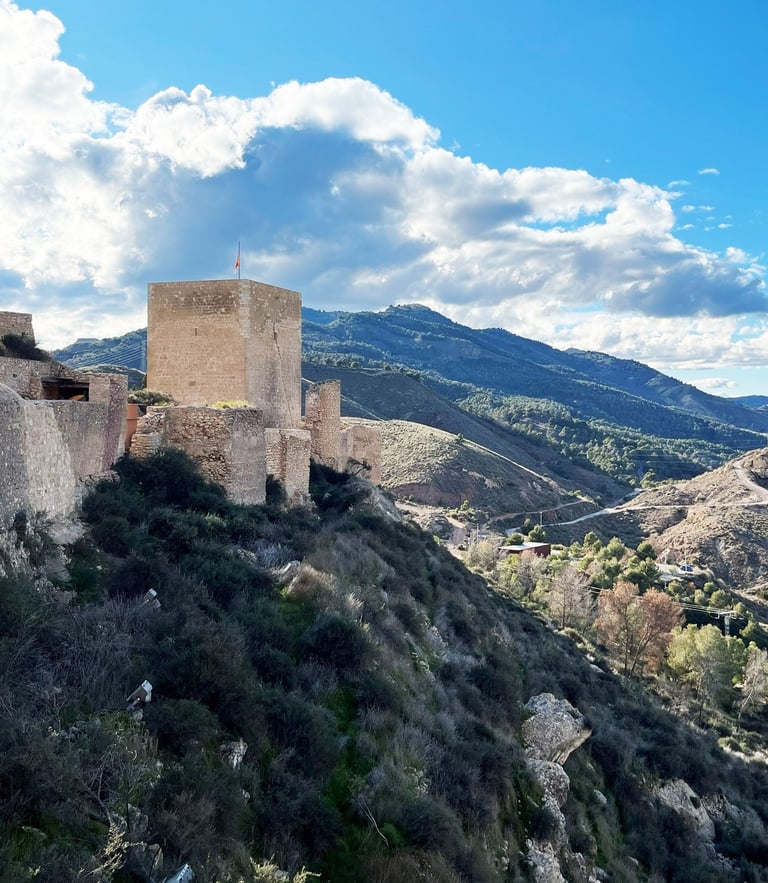
It was during the medieval period, however, that Lorca began to take the form we recognise today. Perched on a strategic frontier between Christian and Muslim realms, the city became a fortified border stronghold. The towering Castillo de Lorca — the Fortress of the Sun — still dominates the skyline, a sentinel of centuries past.
With the Christian reconquest, Lorca flourished again. The Renaissance and Baroque eras left an unmistakable mark, and much of the city’s remarkable historic centre — grand churches, sumptuous palaces, and ornate public buildings — dates from these vibrant centuries.
Today visitors encounter a living timeline of Spain’s cultural evolution — from ancient walls to elegant Baroque façades — all within a strollable historic core.
A Story Written in Stone — Lorca Through the Ages
The Espolón Tower, in the castle of Lorca, was built in the 13th century, after the Christian conquest of the city.
Must-See Sights & Highlights
Wandering through Lorca feels like stepping into an open-air museum where every corner tells a story.
Castillo de Lorca – Fortress of the Sun
Dominating the city’s skyline, this hilltop fortress was a defensive linchpin in medieval Spain and offers spectacular views across the valley. Inside, you can explore towers, cisterns, and archaeological remains that blend lore with breathtaking panoramas.
Plaza de España & Old Town
This atmospheric square is the heart of Lorca’s historic district. Surrounded by Renaissance and Baroque buildings, it’s the perfect place to begin your exploration of narrow streets, local cafés, and hidden courtyards.
Colegiata de San Patricio
The only collegiate church in Spain dedicated to Saint Patrick, this stunning Baroque masterpiece is an emblem of Lorca’s artistic heritage.
Guevara Palace
A Baroque jewel recently restored after the 2011 earthquakes, this elegant palace showcases architectural finesse and artistic richness.
Jewish Quarter & Historic Walls
Just beneath the castle lies one of Spain’s best-preserved medieval Jewish quarters, a poignant reminder of the city’s multicultural past.
Embroidery Museums & Holy Week Traditions
Lorca’s museums — particularly those celebrating religious art and intricate embroidery — reflect the city’s deep connection with its Semana Santa (Holy Week) celebrations, one of the most spectacular in Spain.


Side facade or bell tower of the Collegiate Church of San Patricio, the most important temple in Lorca.


The impressive façade of the Guevara Palace, built in the 17th century, is one of the most beautiful examples of civil Baroque architecture in Spain.
Festivals & Traditions
Lorca’s calendar is full of lively traditions and celebrations that bring the city’s vibrant culture to life:
Semana Santa (Holy Week) — internationally known for its dramatic processions, elaborate floats and emotional pageantry.
San Blas & Local Traditions — February brings the unique rollicos sweets and centuries-old customs.
Artisan Programs & Cultural Events — initiatives like 12 Months, 12 Trades celebrate traditional crafts throughout the year.
Monumental Christmas Nativity — each winter, the Palacio de Guevara hosts one of the largest and most artistic nativity displays in the region.


A chariot participating in one of the biblical-passionate processions of Holy Week in Lorca. The processions in Lorca are among the most spectacular in the entire country. Photo by Turismodemurcia.
Why Lorca Should Be on Your Murcia Itinerary?
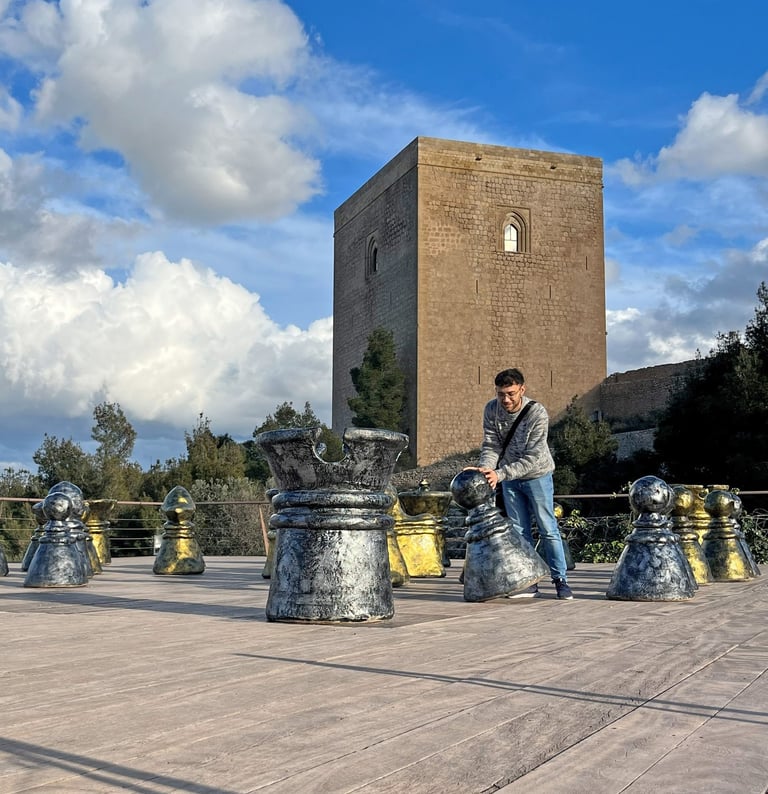
Lorca is so much more than a stop on the map — it’s a city that invites you to slow down, explore deeply, and uncover stories behind every stone. Its dramatic history, layered architecture, and heartfelt traditions make it a compelling place for curious travellers.
And while you can enjoy Lorca on your own, a local guide elevates the experience. Guided tours unlock hidden gems, reveal fascinating anecdotes, and connect you with the living culture that makes Lorca unforgettable.
Whether you’re passionate about history, culture, gastronomy, or simply beautiful places, Lorca rewards every type of traveller — and it’s undeniably one of the Region of Murcia’s crown jewels.


